Understanding the Latest Trends in Sustainable Business Practices


Embracing Circular Economy
The concept of a circular economy is gaining traction as businesses seek to minimize waste and make the most of resources. Unlike the traditional linear model, which follows a "take, make, dispose" approach, a circular economy emphasizes reusing, repairing, and recycling materials. This shift not only conserves resources but also reduces environmental impact, making it a cornerstone of sustainable business practices.
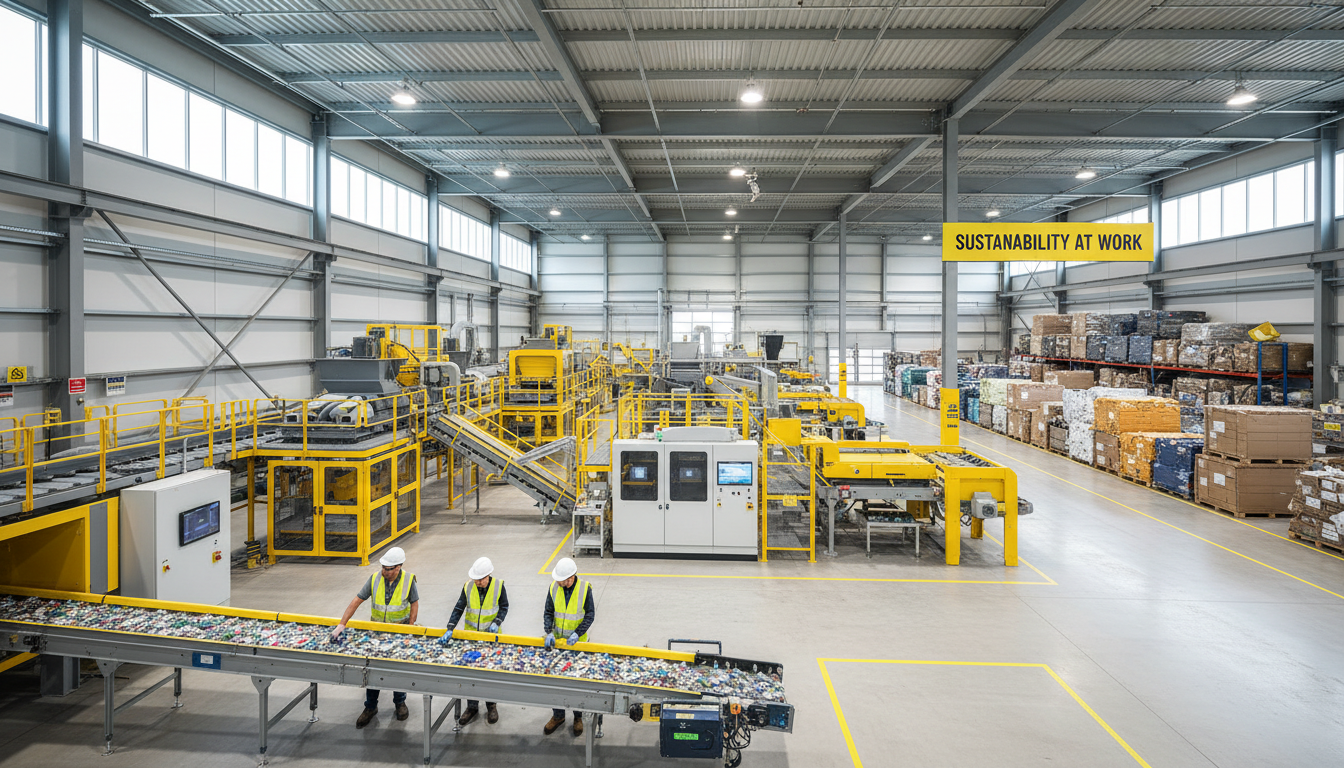
Companies are integrating circular principles into their operations by designing products with longer lifespans, using recycled materials, and offering repair services. For instance, some electronics manufacturers now provide modular designs, allowing consumers to replace parts instead of discarding entire products.
Renewable Energy Adoption
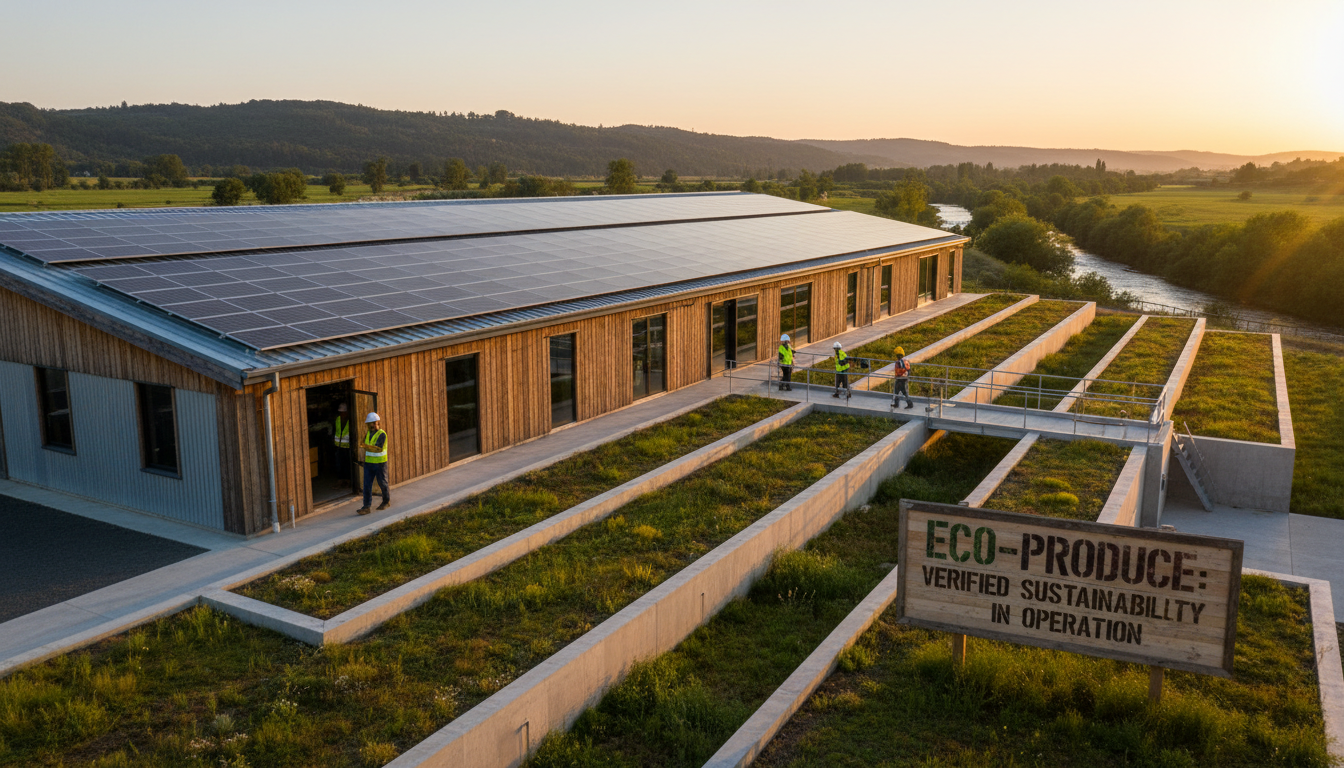
Another significant trend is the increased adoption of renewable energy sources. Businesses are investing in solar, wind, and other clean energy options to power their operations. This transition not only reduces carbon footprints but also offers long-term cost savings as technology advances and energy prices fluctuate.
Governments and organizations worldwide are setting ambitious targets to reduce greenhouse gas emissions. As a result, many companies are focusing on energy efficiency and seeking innovative solutions to optimize their energy use.

Green Supply Chain Management
Sustainable business practices extend beyond individual companies to their supply chains. Green supply chain management involves considering the environmental impact at every stage of the production process. This includes sourcing raw materials responsibly, optimizing transportation, and reducing waste in production and packaging.
Businesses are increasingly collaborating with suppliers and partners to ensure sustainability throughout the supply chain. This collaborative approach not only enhances environmental performance but also strengthens relationships and builds brand reputation.

Corporate Social Responsibility (CSR)
Corporate social responsibility is no longer just a buzzword; it is an essential element of modern business strategy. Companies are expected to operate ethically, contribute to social welfare, and be transparent about their practices. This involves initiatives like community engagement, supporting local economies, and ensuring fair labor practices.
Consumers today are more informed and concerned about the ethical standards of the brands they support. As a result, businesses that prioritize CSR tend to enjoy increased customer loyalty and a positive public image.
Innovation in Sustainable Products
Innovation plays a critical role in advancing sustainable business practices. Companies are exploring new materials, technologies, and methods to create products that are not only eco-friendly but also meet consumer demands for quality and performance.
From biodegradable packaging to plant-based alternatives, the market is witnessing a surge in products designed with sustainability in mind. These innovations not only appeal to environmentally conscious consumers but also provide a competitive edge in the marketplace.

The Role of Technology
Technology is a powerful enabler of sustainability. Digital tools and platforms are helping businesses track and manage their environmental impact more effectively. For example, data analytics can optimize resource use and identify areas for improvement, while blockchain technology can enhance transparency and traceability in supply chains.
As technology continues to evolve, it offers new opportunities for businesses to innovate and achieve their sustainability goals.