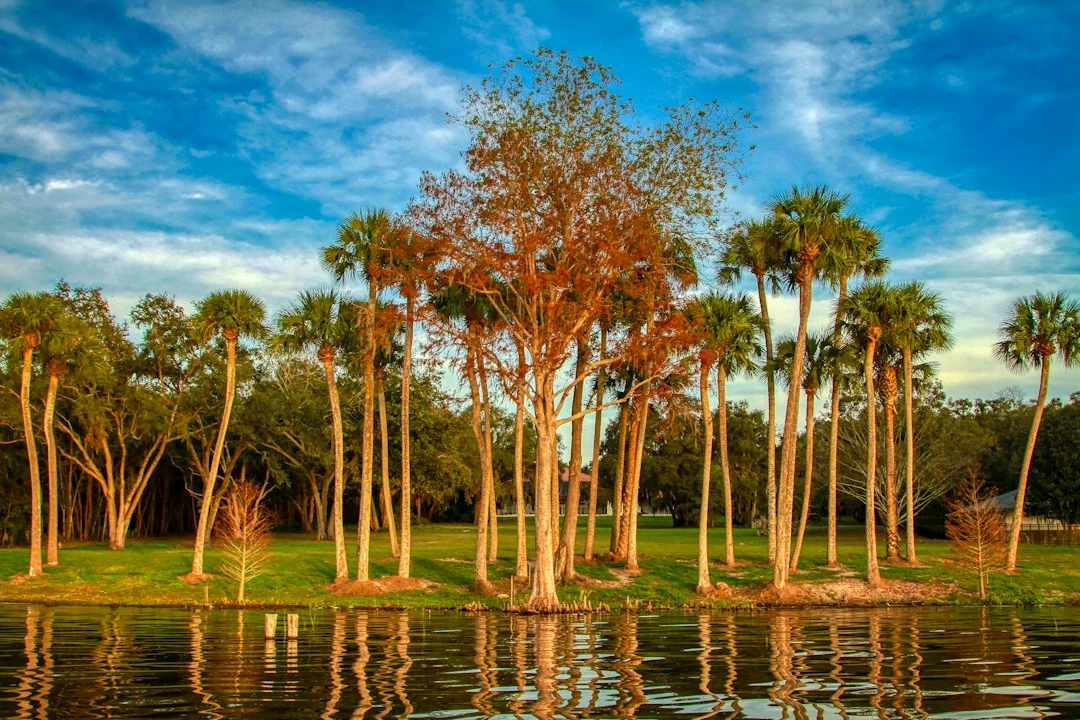
Florida is home to a diverse array of ecosystems, from pristine beaches and expansive wetlands to lush forests and vibrant coral reefs. With such a rich natural heritage, the state has become a leader in environmental conservation efforts. This guide explores some of the top conservation measures being implemented across Florida, helping to preserve its unique biodiversity for future generations.
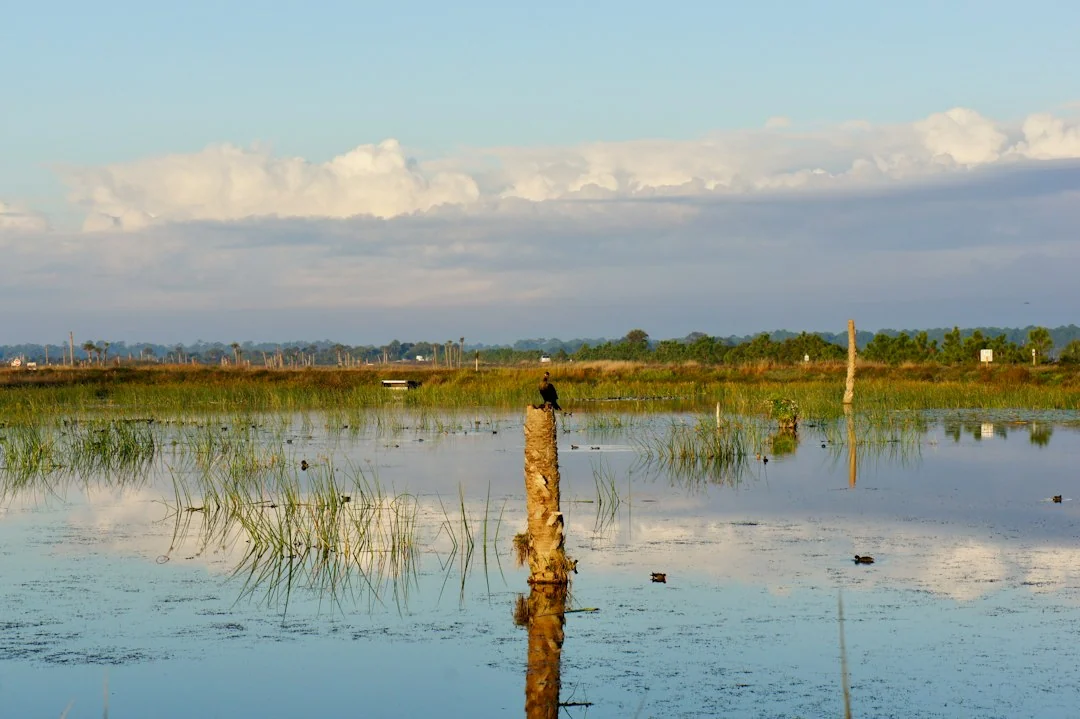
Restoration of the Everglades
The Everglades, often referred to as the "River of Grass," is one of the most significant ecosystems in Florida. Efforts to restore this vital area have been ongoing, focusing on improving water flow, reducing pollution, and protecting wildlife habitats. The Comprehensive Everglades Restoration Plan (CERP) is a major initiative aiming to restore natural hydrological patterns and support the diverse species that call the Everglades home.
Water Quality Improvements
One of the major challenges facing the Everglades is water pollution. Conservationists are working tirelessly to improve water quality by implementing advanced filtration systems and promoting sustainable agricultural practices. These efforts help reduce nutrient runoff and protect the delicate balance of this unique ecosystem.
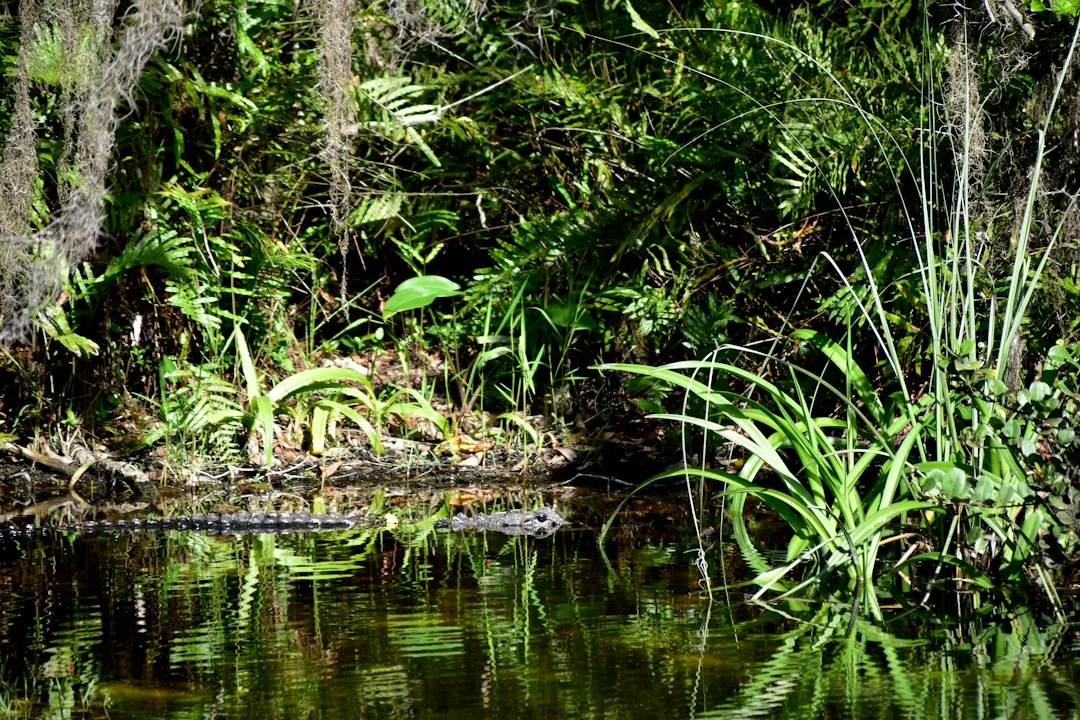
Protection of Marine Life
Florida's coastal waters are teeming with marine life, including endangered species like manatees and sea turtles. Conservation measures have been put in place to protect these creatures, including the establishment of marine protected areas and the enforcement of strict fishing regulations. These measures ensure that marine habitats remain healthy and resilient.
Coral Reef Preservation
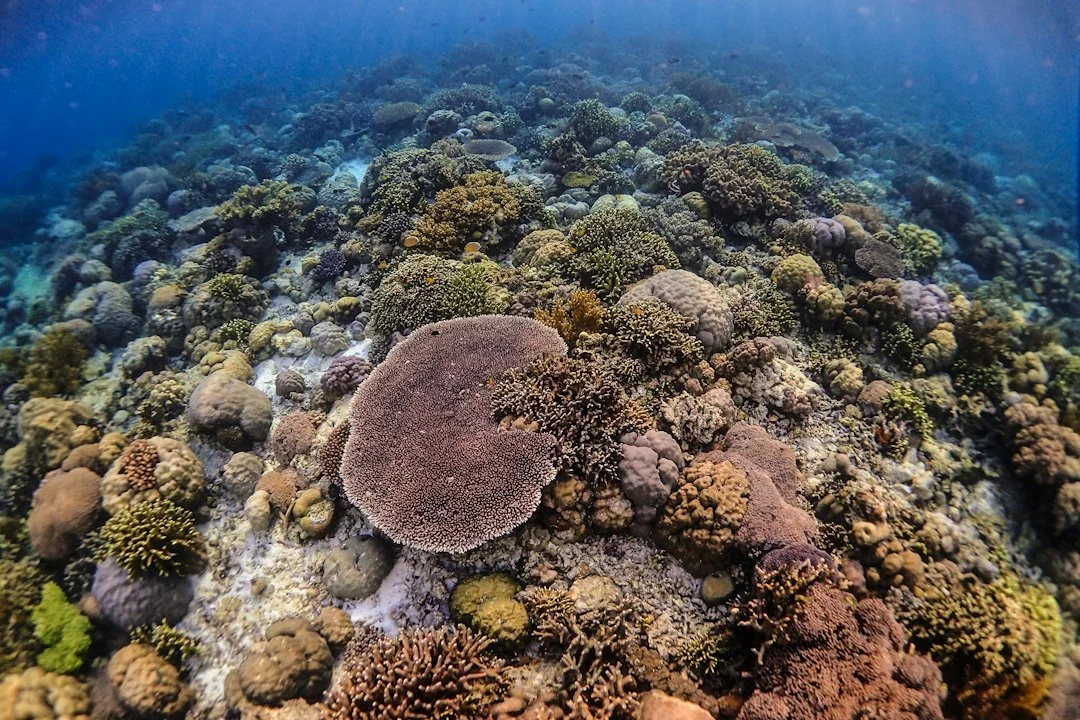
The Florida Reef Tract is the only living coral barrier reef in the continental United States. Conservationists are actively working to prevent coral bleaching and disease through monitoring programs and coral restoration projects. By cultivating and planting coral fragments, they aim to rejuvenate these vital underwater ecosystems.
Urban Green Spaces
As urban areas in Florida continue to grow, the creation and maintenance of green spaces have become essential for environmental conservation. Parks, gardens, and urban forests not only provide recreational opportunities but also support local wildlife and improve air quality.
Community Involvement
Local communities play a crucial role in the success of urban green spaces. Through volunteer programs and educational initiatives, residents are encouraged to participate in tree planting and park maintenance. This community involvement fosters a sense of stewardship and ensures the sustainability of these green areas.

Sustainable Agriculture
Agriculture is a vital part of Florida's economy, but it must be practiced sustainably to protect the environment. Farmers are adopting eco-friendly practices such as crop rotation, reduced pesticide use, and organic farming. These methods help preserve soil health and reduce the environmental impact of farming.
Agroforestry Practices
Integrating trees into agricultural landscapes, known as agroforestry, provides multiple benefits. It enhances biodiversity, improves water retention, and increases carbon sequestration. By combining agriculture with forestry, Florida's farmers are contributing to environmental conservation while maintaining productive lands.
Part of the EcoGuardian journal. This article retains its original publication context; references to grants, regulations, research, and services may have changed since publication.