The Benefits of Adopting Sustainable Practices: A Walton County Perspective


Understanding Sustainable Practices
Sustainable practices are more than just a trend; they are a necessity for creating a healthier planet. In Walton County, the shift towards sustainability is evident in various sectors, from agriculture to tourism. By adopting environmentally friendly methods, we not only protect our natural resources but also enhance the quality of life for our community.
Economic Advantages
Embracing sustainable practices can lead to significant economic benefits. For businesses in Walton County, adopting green initiatives can reduce operational costs. For example, energy-efficient technologies and waste reduction strategies can lower expenses. Furthermore, sustainability can open new market opportunities as consumers increasingly prefer eco-friendly products.
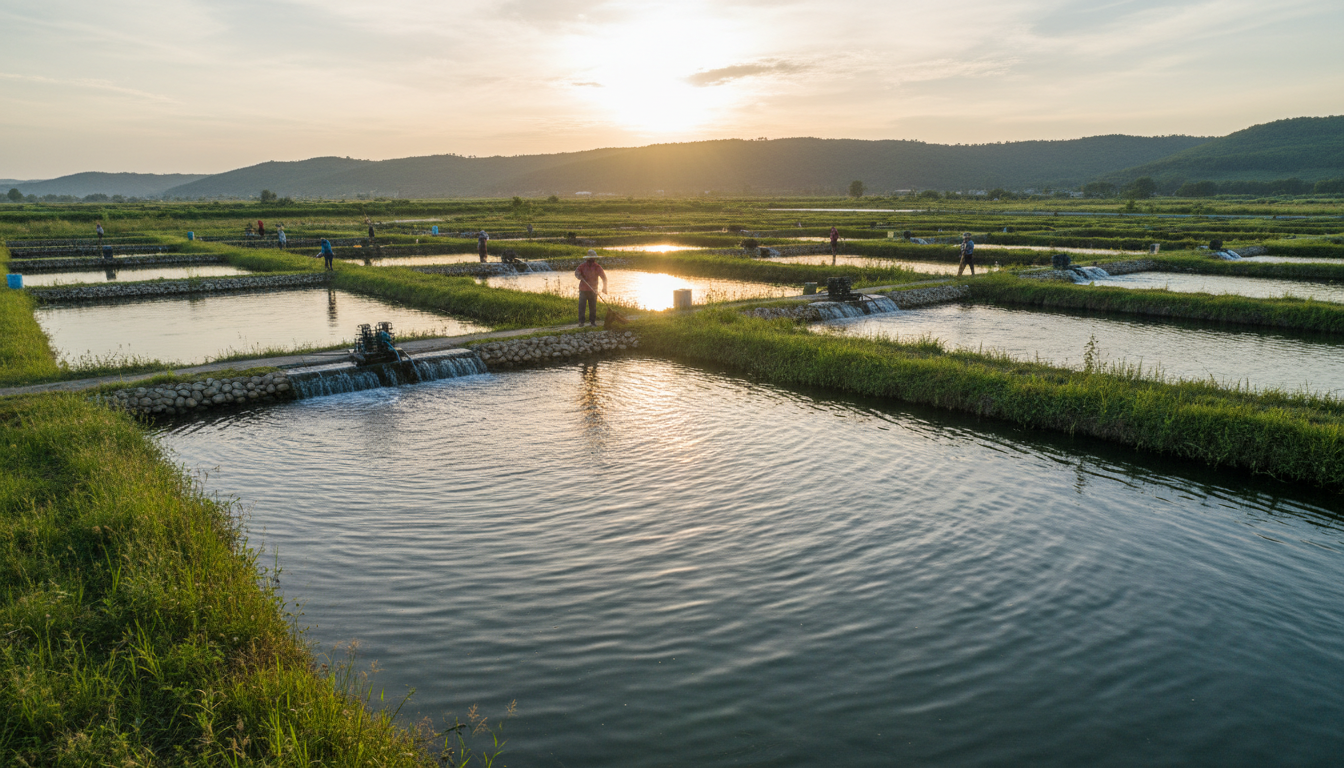
Local farmers are also benefiting by implementing sustainable agriculture techniques. These methods not only improve crop yield but also reduce costs associated with chemical fertilizers and pesticides, leading to higher profits and healthier produce.
Environmental Impact
Walton County's natural beauty is one of its greatest assets. Sustainable practices help preserve this environment by minimizing pollution, conserving water, and protecting wildlife habitats. Reduced carbon emissions and waste contribute to cleaner air and water, ensuring that future generations can enjoy the county's scenic landscapes.

Social Benefits
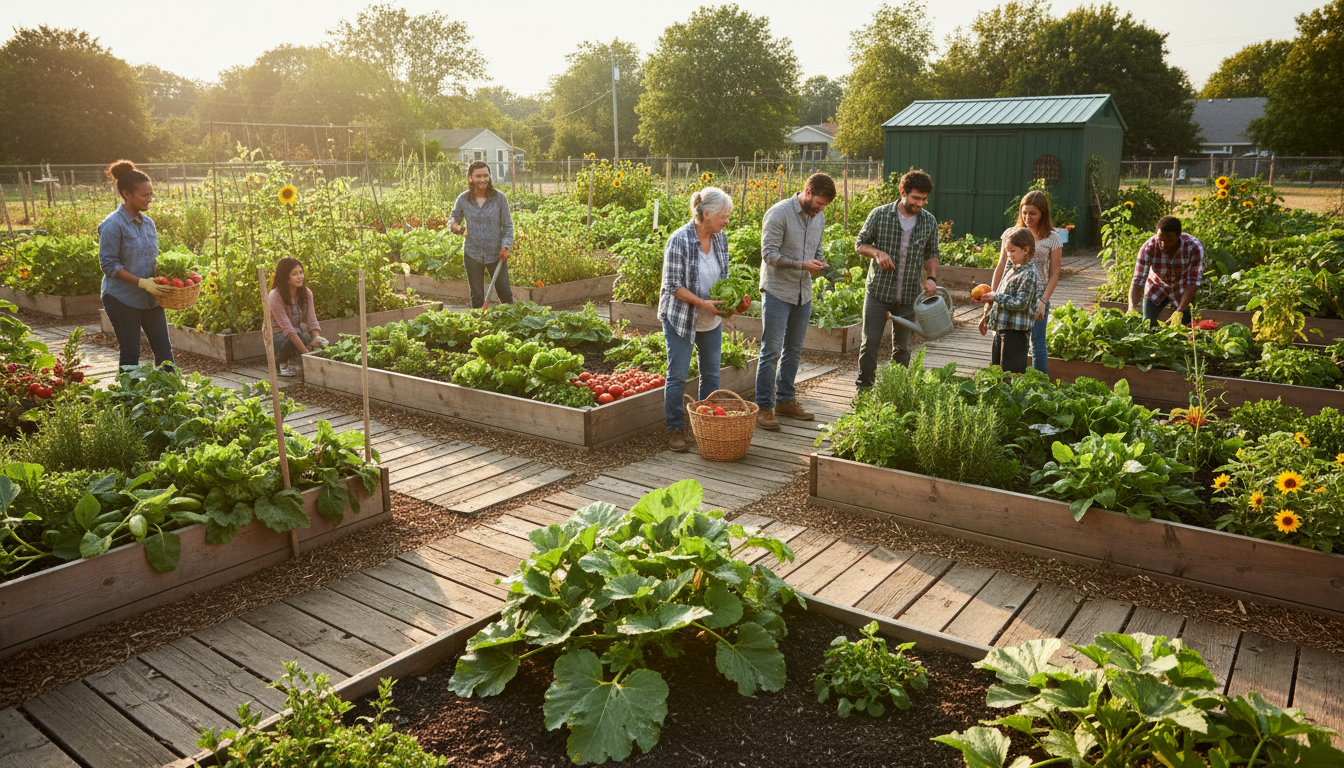
Sustainability fosters a sense of community and responsibility. In Walton County, initiatives such as community gardens and eco-friendly events promote collaboration among residents. These activities not only enhance community bonds but also increase awareness about environmental issues.
Educational programs focused on sustainability are also on the rise, empowering the younger generation with the knowledge and skills needed to continue these efforts.
Challenges and Opportunities
While the benefits are substantial, adopting sustainable practices does present challenges. Initial costs and the need for education and training can be barriers. However, these challenges also present opportunities for innovation and growth. Walton County has seen a rise in local startups focused on sustainability, driving economic development and job creation.
Partnerships between local government, businesses, and community organizations are crucial in overcoming these hurdles and achieving long-term sustainability goals.
Conclusion
The adoption of sustainable practices in Walton County offers a model for balancing economic growth with environmental stewardship. By continuing to invest in sustainability, the county ensures a thriving community, a robust economy, and a healthy planet. The collective efforts of businesses, residents, and local authorities are paving the way for a more sustainable future.