Seasonal Waste Management Strategies for Walton County Businesses


Understanding the Impact of Seasonal Changes on Waste Management
For businesses in Walton County, adapting to seasonal changes is crucial for effective waste management. Each season brings unique challenges and opportunities, requiring businesses to adjust their strategies accordingly. Understanding these changes can lead to more efficient operations, cost savings, and a reduced environmental footprint.
During the summer months, for instance, restaurants and hospitality businesses may experience an increase in customers, leading to higher waste production. Conversely, winter might see a decline in business activity but could introduce different waste types, such as holiday packaging. Recognizing these patterns allows businesses to plan and allocate resources more effectively.
Strategies for Managing Increased Waste During Peak Seasons
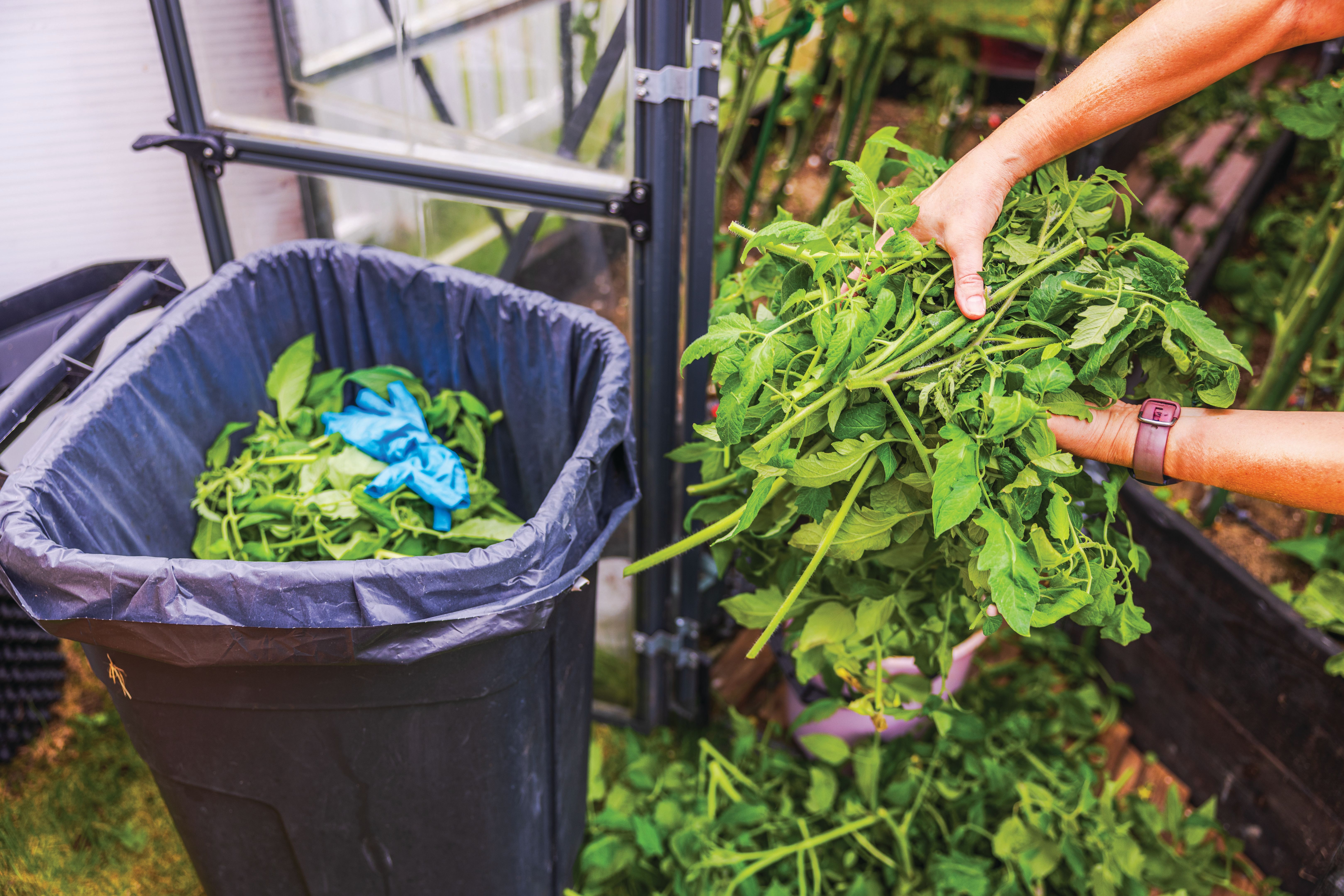
When dealing with peak seasons, businesses should focus on optimizing their waste management practices. One effective strategy is to increase the frequency of waste collection services. This ensures that waste does not accumulate excessively, which can lead to unpleasant odors and attract pests.
Another approach is to implement recycling programs tailored to the specific waste streams that increase during peak periods. For example, if a business generates more paper waste during the holiday season, setting up additional recycling bins for paper products can help manage this influx efficiently.
Engaging Staff and Customers
Employee and customer engagement is a critical component of successful waste management strategies. Training staff on proper waste segregation and recycling practices can significantly reduce contamination rates and improve recycling efficiency. Additionally, educating customers about your business's waste management efforts can encourage them to participate actively.

Leveraging Technology for Improved Waste Management
Technology can play a significant role in enhancing waste management strategies. From smart bins that monitor fill levels to software that tracks waste generation patterns, technological solutions can provide valuable insights and help optimize operations. Businesses can use these tools to make data-driven decisions, improving efficiency and reducing costs.
Implementing technology not only aids in better waste management but also demonstrates a commitment to sustainability, which can enhance a business's reputation among environmentally conscious consumers.
Partnering with Local Waste Management Providers
Collaborating with local waste management companies can offer numerous benefits. These providers have the expertise and resources to handle various waste types effectively. By partnering with them, businesses can gain access to tailored services that align with their specific needs and comply with local regulations.

Adapting to Off-Peak Season Waste Management
During off-peak seasons, businesses may experience a decrease in waste production, allowing for the implementation of more sustainable practices. This period is ideal for evaluating current waste management strategies and identifying areas for improvement. Businesses can explore options such as reducing single-use items or introducing composting initiatives.
Moreover, off-peak seasons provide an opportunity to invest in employee training and awareness programs, further embedding sustainable practices within the company culture.
Conclusion: The Benefits of Proactive Waste Management
Adopting seasonal waste management strategies offers numerous benefits for Walton County businesses. Not only does it help maintain operational efficiency and cost-effectiveness, but it also promotes environmental stewardship. By understanding the unique challenges of each season and implementing tailored strategies, businesses can contribute positively to their community and the environment.