Seasonal Conservation Tips: Preparing Your Business for Florida’s Environmental Challenges


Understanding Florida’s Unique Environmental Challenges
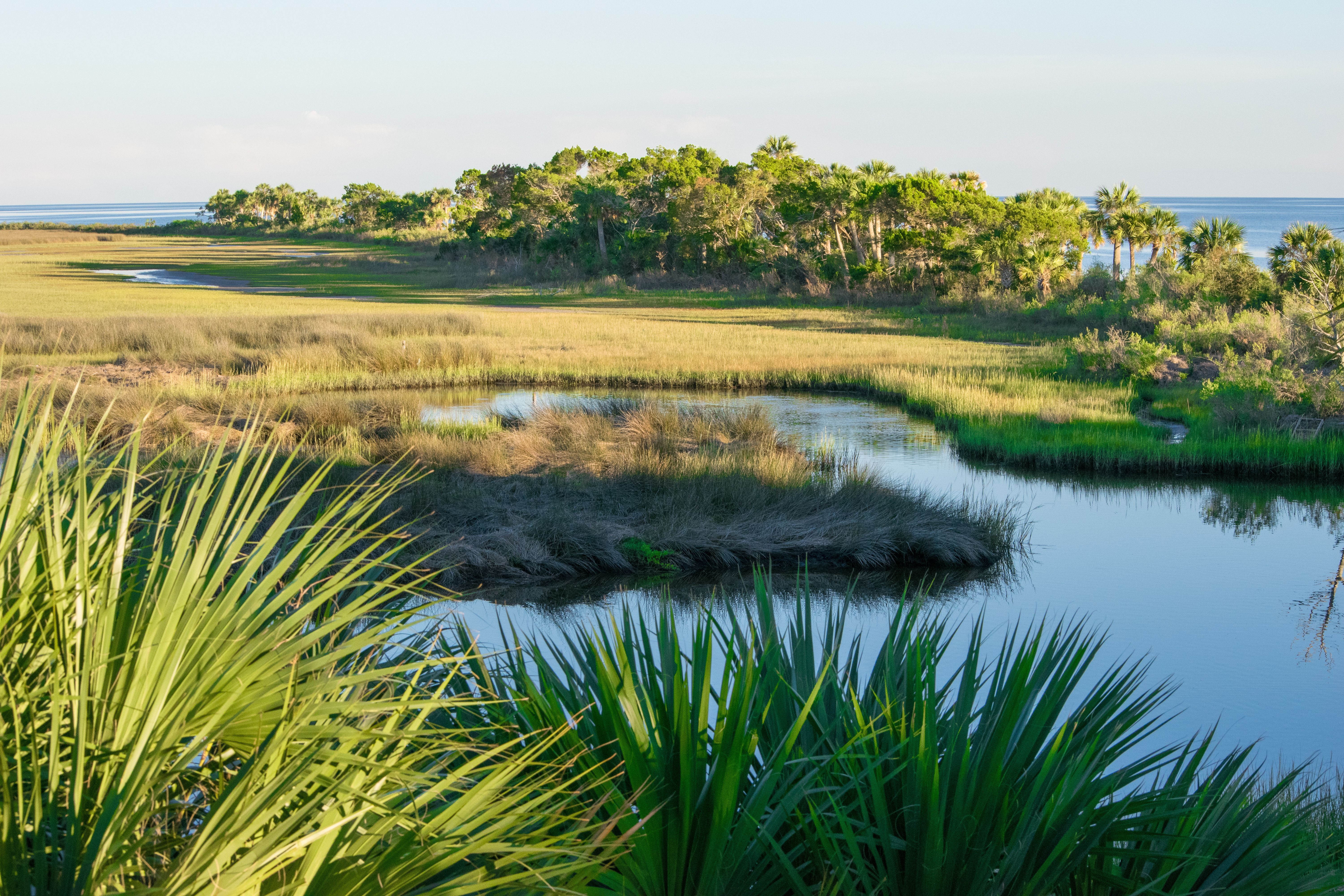
Florida's diverse ecosystems present unique challenges for businesses aiming to operate sustainably. From hurricane seasons to water scarcity, the state requires companies to be vigilant and proactive in their conservation efforts. Preparing for these challenges not only ensures business continuity but also demonstrates a commitment to environmental stewardship.
Preparing for Hurricane Season
Hurricane season, spanning from June to November, poses significant risks to Florida businesses. It's crucial to have a comprehensive plan in place to minimize damage and ensure employee safety. Here are some essential steps:
- Develop a hurricane preparedness plan: Include evacuation routes, communication protocols, and emergency contacts.
- Secure your premises: Invest in storm shutters and reinforce doors and windows.
- Backup critical data: Ensure all important digital information is stored securely off-site or in the cloud.
Water Conservation Strategies
Water scarcity is a growing concern in Florida, making conservation efforts vital for businesses. Implementing water-saving practices can significantly reduce operational costs and environmental impact. Consider the following strategies:

Install low-flow fixtures: These can drastically reduce water usage in restrooms and kitchens.
Utilize native landscaping: Choose drought-resistant plants that require less irrigation, conserving water and reducing maintenance costs.
Energy Efficiency Measures
Reducing energy consumption not only lowers utility bills but also decreases your carbon footprint. Florida businesses can benefit from investing in energy-efficient technologies and practices.
- Upgrade to LED lighting: LEDs use less energy and have a longer lifespan compared to traditional bulbs.
- Implement smart thermostats: These devices optimize heating and cooling, reducing energy waste.
- Conduct regular energy audits: Identify inefficiencies and areas for improvement within your operations.

Waste Reduction and Recycling
Minimizing waste and promoting recycling are crucial components of sustainable business practices. By implementing effective waste management strategies, businesses can reduce their environmental impact and foster a culture of sustainability.
Encourage recycling: Set up clearly labeled recycling bins throughout your facility to promote proper disposal.
Reduce single-use items: Opt for reusable or biodegradable alternatives whenever possible.
Employee Engagement and Training
Engaging your employees in conservation efforts is key to achieving long-term sustainability goals. By providing training and resources, you can empower your team to make environmentally responsible decisions.

Organize workshops: Host sessions on topics like energy conservation and waste reduction.
Encourage green commuting: Provide incentives for carpooling, biking, or using public transportation.
Collaborating with Local Organizations
Partnering with local environmental organizations can amplify your conservation efforts. These partnerships can provide valuable resources, expertise, and community support, helping you achieve your sustainability targets.
Join local initiatives: Participate in community clean-up events and conservation programs.
Support environmental causes: Consider sponsoring local environmental projects or donating to relevant charities.
Monitoring and Adapting Your Strategies
Finally, it's important to regularly review and adapt your conservation strategies to ensure they remain effective. Monitoring progress and staying informed about new technologies and practices can help your business stay ahead of environmental challenges.
By implementing these seasonal conservation tips, Florida businesses can effectively navigate environmental challenges while promoting sustainability and resilience. Embracing these practices not only benefits the planet but also enhances your company's reputation and long-term success.