Understanding the Importance of Sustainable Practices
Hurricane season in Florida brings its own set of challenges, but with the right preparation, residents can safeguard their homes and communities. While traditional methods focus on immediate safety, adopting sustainable practices can offer long-term benefits for the environment and local ecosystem.
Embracing sustainability means reducing waste, conserving resources, and making informed choices that support the planet. It's not just about surviving the storm but thriving in its aftermath.
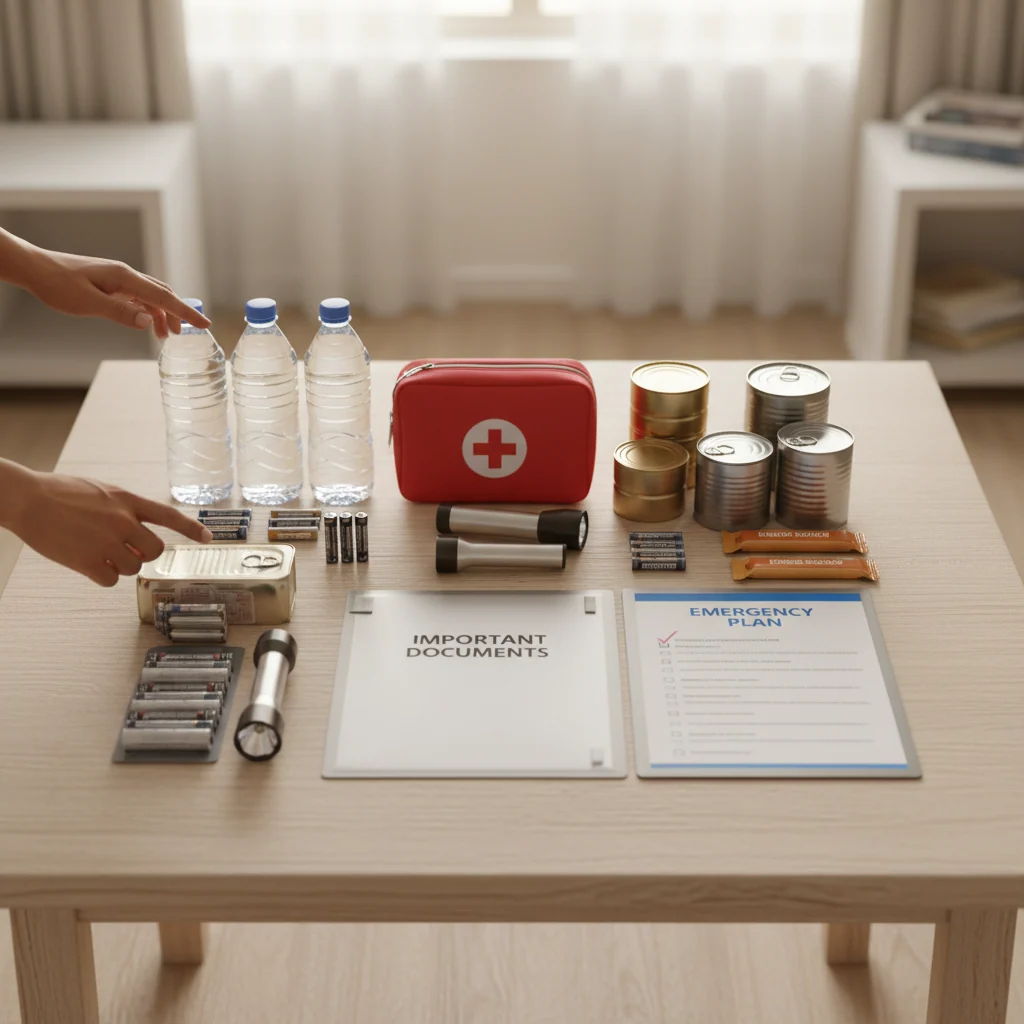
Energy Conservation and Backup Plans
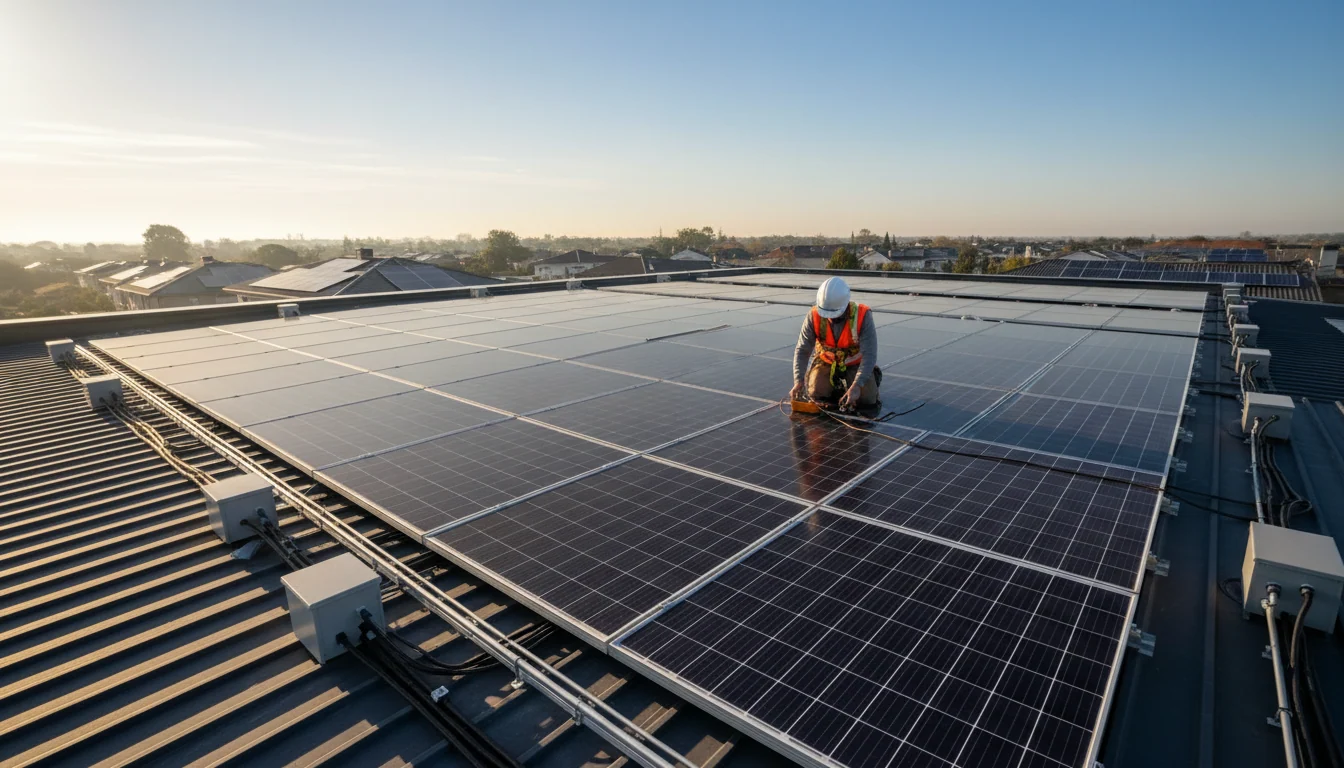
One of the most effective ways to prepare sustainably is through energy conservation. Investing in solar panels or wind turbines can reduce dependency on grid power, ensuring a more resilient energy supply during outages.
Additionally, consider using backup batteries or generators powered by renewable resources. This not only helps during a storm but also minimizes your carbon footprint throughout the year.
Water Management and Conservation
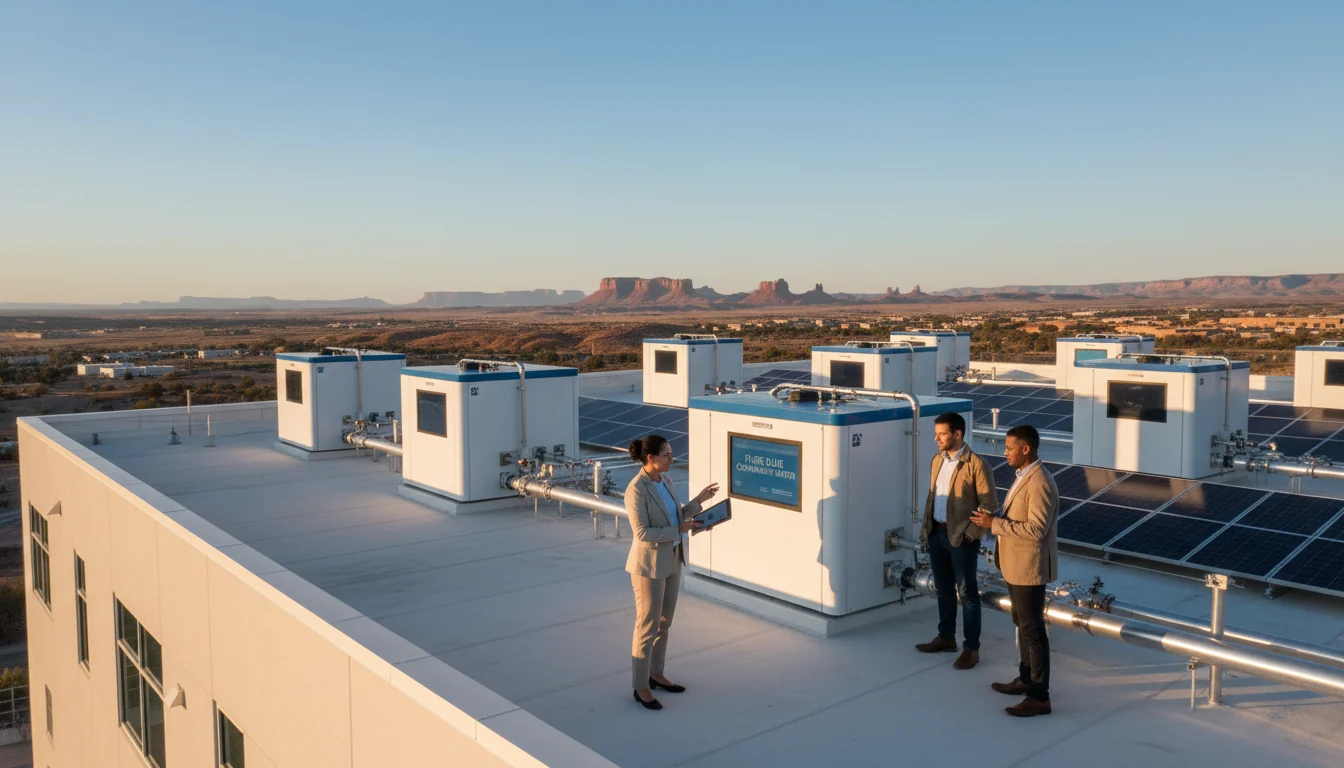
Water is a crucial resource during a hurricane. Instead of stockpiling plastic water bottles, invest in a home water filtration system or reusable water containers. This approach reduces plastic waste and ensures a clean water supply.
Implementing rainwater collection systems can also be beneficial. These systems capture and store rainwater, which can be used for non-potable purposes, such as gardening or flushing toilets, conserving valuable resources during emergencies.
Sustainable Landscaping and Home Protection
Landscaping plays a vital role in hurricane preparedness. Native plants and trees are typically more resilient to storms and require less water and maintenance. Consider planting a rain garden to manage stormwater runoff effectively.
For home protection, explore eco-friendly materials like bamboo or recycled steel for storm shutters. These materials are durable and have a lower environmental impact compared to traditional options.
Community Involvement and Education
Engaging with your community is crucial for promoting sustainable practices. Organize workshops or information sessions on hurricane preparedness and sustainability. Sharing resources and knowledge can lead to a more resilient community.
Educating children and young adults about the importance of sustainability during hurricane season ensures that future generations will continue to prioritize environmental responsibility.

Reducing Waste and Recycling
Before a hurricane, it's common to clear out perishable items. Instead of discarding them, consider composting organic waste or donating non-perishables to local shelters. This helps reduce landfill waste and supports those in need.
Recycling materials such as aluminum cans, glass bottles, and cardboard can also contribute to sustainability efforts. Ensure recycling bins are accessible and clearly labeled to encourage proper disposal.
Innovative Technologies and Solutions
Finally, explore innovative technologies that support sustainability. Smart home devices can optimize energy use, while apps can provide real-time updates on weather conditions and resource availability.
By integrating these technologies into your hurricane preparedness plan, you can enhance efficiency and reduce environmental impact.
Part of the EcoGuardian journal. This article retains its original publication context; references to grants, regulations, research, and services may have changed since publication.