Myths and Facts about Environmental Impact Assessments in Florida


Understanding Environmental Impact Assessments
Environmental Impact Assessments (EIAs) are crucial tools in evaluating the potential environmental effects of proposed projects. In Florida, these assessments play a vital role in ensuring that development is sustainable and environmentally responsible. However, there are several myths surrounding EIAs that can lead to misconceptions about their purpose and effectiveness.
Myth 1: EIAs Are Only for Major Projects
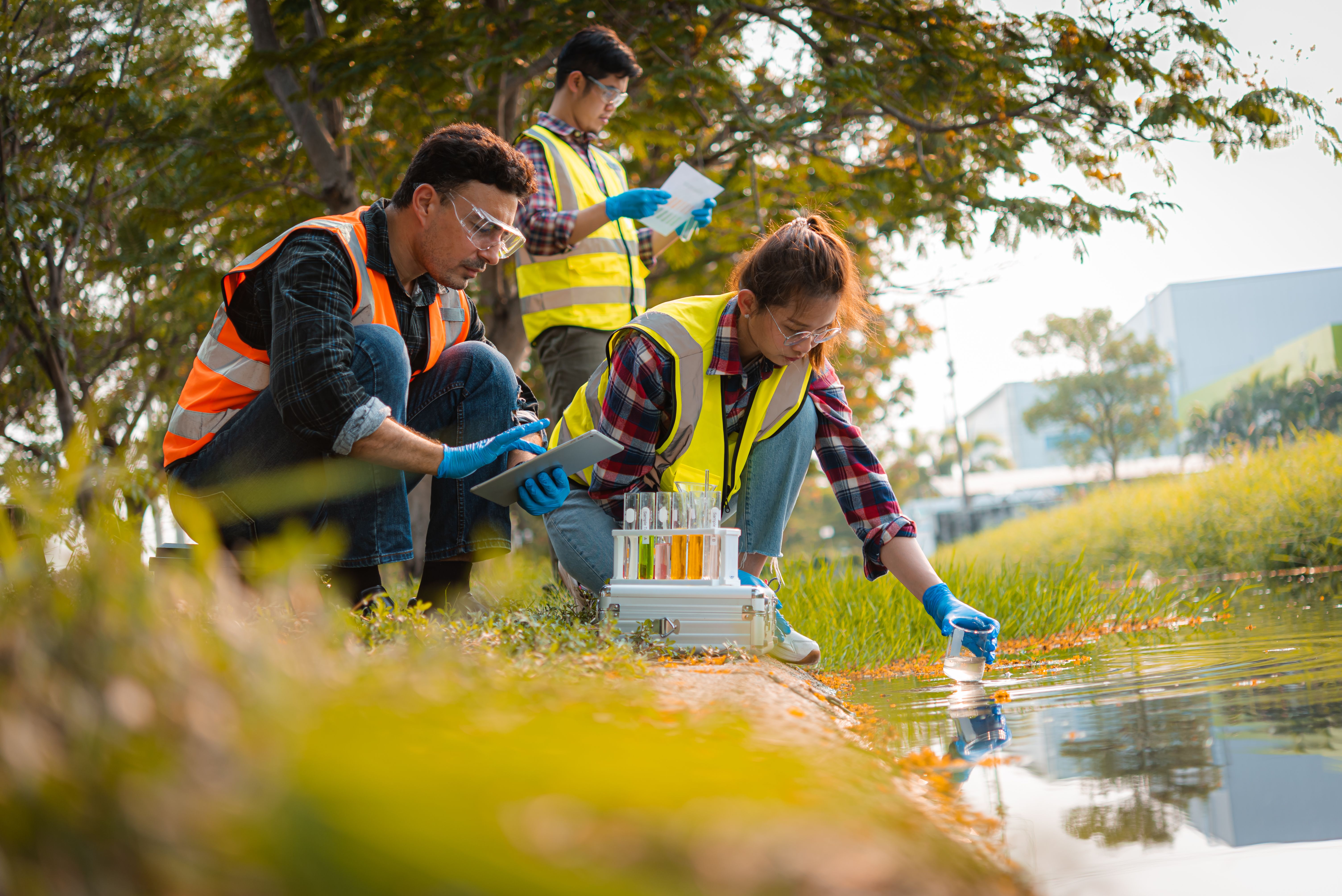
One common misconception is that EIAs are only necessary for large-scale projects. In reality, EIAs are required for a wide range of projects, including smaller developments that might impact sensitive areas such as wetlands and wildlife habitats. Florida's diverse ecosystems demand thorough assessments to protect them from potential harm.
Small and medium-sized projects must also undergo scrutiny to ensure they comply with environmental regulations. This comprehensive approach helps maintain the balance between development and conservation.
Fact: EIAs Promote Informed Decision-Making
Another essential fact about EIAs is their role in promoting informed decision-making. By analyzing the environmental consequences of a project, stakeholders, including government agencies and the public, can make better decisions that consider both economic and environmental factors. This process helps avoid costly mistakes and mitigates potential environmental damage.
Myth 2: EIAs Are Time-Consuming and Expensive
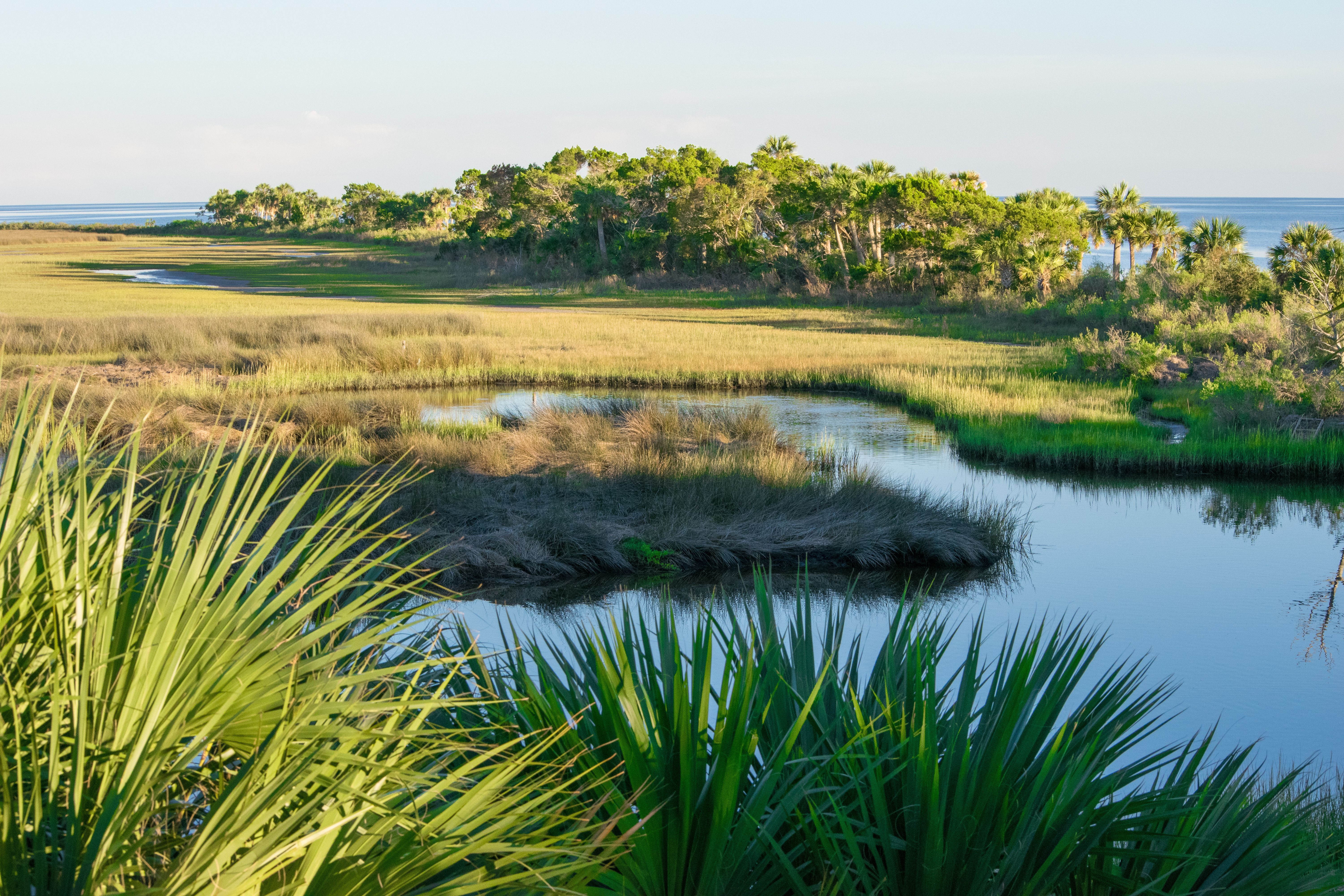
Some believe that EIAs are overly time-consuming and expensive, deterring developers from pursuing projects. While it's true that EIAs require a significant investment of time and resources, they are essential for ensuring sustainable development. In Florida, streamlined processes and clear guidelines help manage costs and timelines effectively.
Moreover, the long-term benefits of conducting a thorough EIA often outweigh the initial costs, as they help avoid environmental degradation and potential legal issues.
Fact: Public Participation Is a Key Component
A critical aspect of the EIA process is public participation. Florida's EIA regulations encourage community involvement, allowing residents to voice concerns and contribute to the decision-making process. This transparency fosters trust and collaboration between developers, regulators, and the public.

Myth 3: EIAs Guarantee Environmental Protection
While EIAs are powerful tools for assessing environmental impacts, they do not automatically guarantee protection. The effectiveness of an EIA depends on the quality of the assessment and the commitment to implementing recommended mitigation measures. Continuous monitoring and adaptive management are necessary to ensure that projects remain environmentally responsible.
It's crucial for all stakeholders to remain vigilant and proactive in enforcing EIA findings and recommendations.
Fact: EIAs Foster Sustainable Development
Ultimately, EIAs contribute to sustainable development by balancing economic growth with environmental protection. In Florida, where the natural environment is a significant asset, EIAs help preserve ecosystems while allowing for responsible development.
By debunking myths and understanding the facts, we can better appreciate the value of Environmental Impact Assessments in safeguarding Florida's natural beauty for future generations.