Myths and Facts About Environmental Conservation in Florida


Understanding Environmental Conservation in Florida
Florida is renowned for its stunning landscapes and diverse ecosystems. However, with its natural beauty comes the responsibility of preserving it. There are many myths and facts surrounding environmental conservation in Florida, which can often lead to confusion.

Myth: Conservation Efforts Are Unnecessary in Florida
Some people believe that Florida's natural resources are abundant and self-sustaining. This is a myth. The reality is that Florida's ecosystems are fragile and require careful management to thrive. Human activities, such as urban development and agriculture, have significantly impacted the environment, necessitating proactive conservation efforts.
Conservation initiatives are crucial for protecting endangered species and maintaining the balance of these ecosystems. Without them, Florida's unique biodiversity could be at risk.
Fact: Florida Is Home to Many Endangered Species
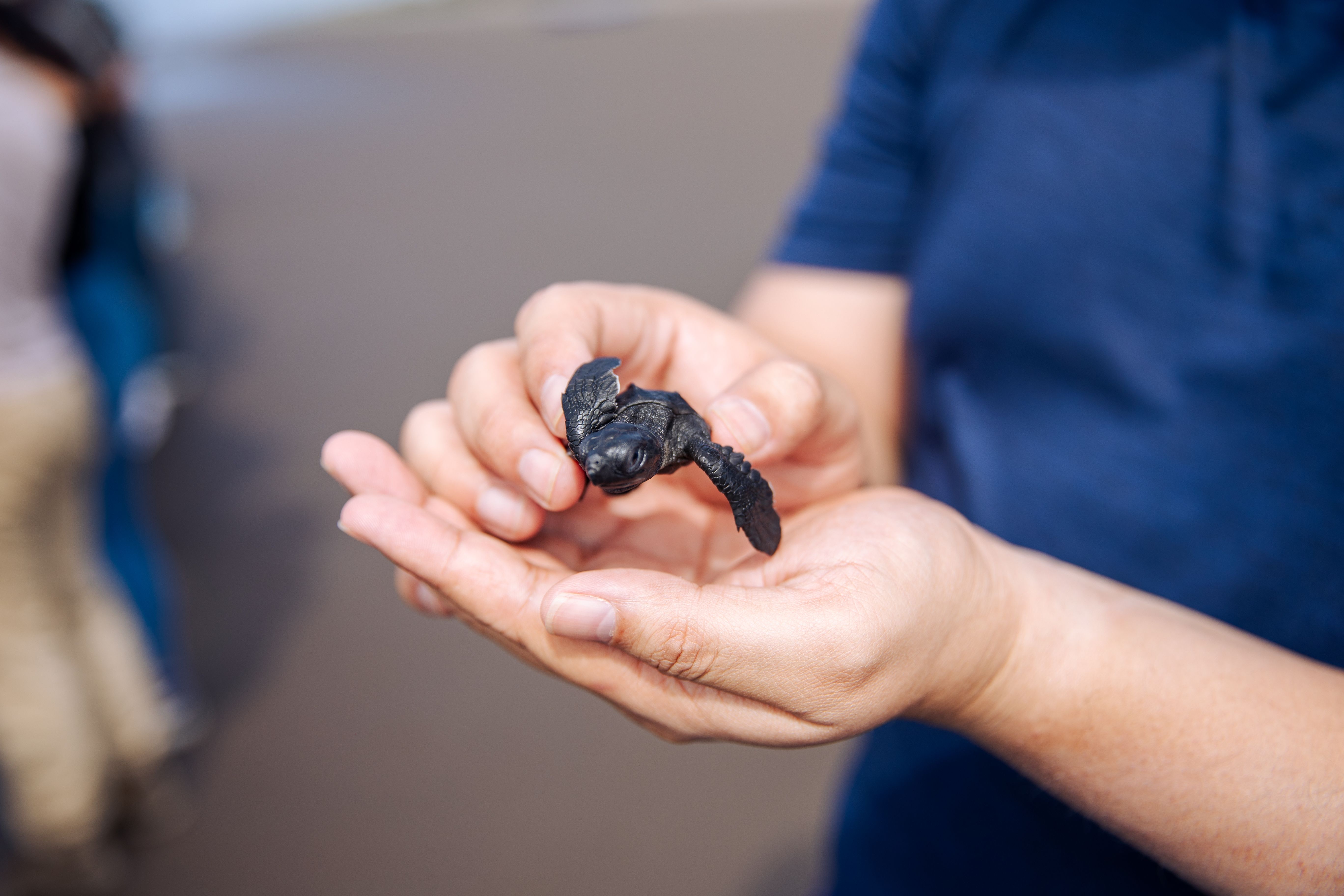
Florida is a sanctuary for a wide range of endangered species, including the Florida panther, manatees, and various sea turtles. These species rely heavily on conservation efforts for survival. Organizations and volunteers work tirelessly to protect their habitats and ensure their longevity.
Myth: Only Large Organizations Can Make a Difference
It's a common misconception that only large conservation organizations can impact environmental efforts. In truth, every individual can contribute to conservation. Simple actions like reducing waste, planting native vegetation, and participating in local clean-up events can collectively make a significant difference.
Community involvement is a powerful tool in environmental conservation. Grassroots movements and local initiatives often lead to meaningful changes at the regional level.
Fact: Florida's Waterways Are Under Threat
Florida's waterways, including its rivers, lakes, and estuaries, face numerous threats from pollution and climate change. Efforts to reduce nutrient runoff and protect water quality are essential for preserving these vital ecosystems.

Local governments and environmental groups are working on innovative solutions, such as restoring wetlands and implementing sustainable agricultural practices, to combat these issues.
Myth: Ecotourism Negatively Impacts the Environment
While some may argue that ecotourism damages natural habitats, responsible ecotourism can actually promote conservation. By raising awareness and providing funding for conservation projects, ecotourism helps protect Florida's natural areas.
Visitors who engage in ethical tourism practices contribute to the preservation of these environments while also enjoying Florida's incredible natural beauty.
Conclusion
Understanding the myths and facts about environmental conservation in Florida is crucial for making informed decisions and taking meaningful actions. Whether you're a resident or a visitor, you can play a part in protecting this beautiful state's natural resources.