Embracing Circular Economy
The concept of a circular economy is revolutionizing sustainable business practices. Instead of the traditional linear model of take, make, and dispose, companies are now focusing on a system where resources are reused and recycled. This shift not only reduces waste but also minimizes the carbon footprint of businesses.
Brands are increasingly designing products with their end-of-life in mind, ensuring materials can be repurposed or recycled. This approach not only conserves resources but also appeals to environmentally conscious consumers.

Carbon Neutral Initiatives
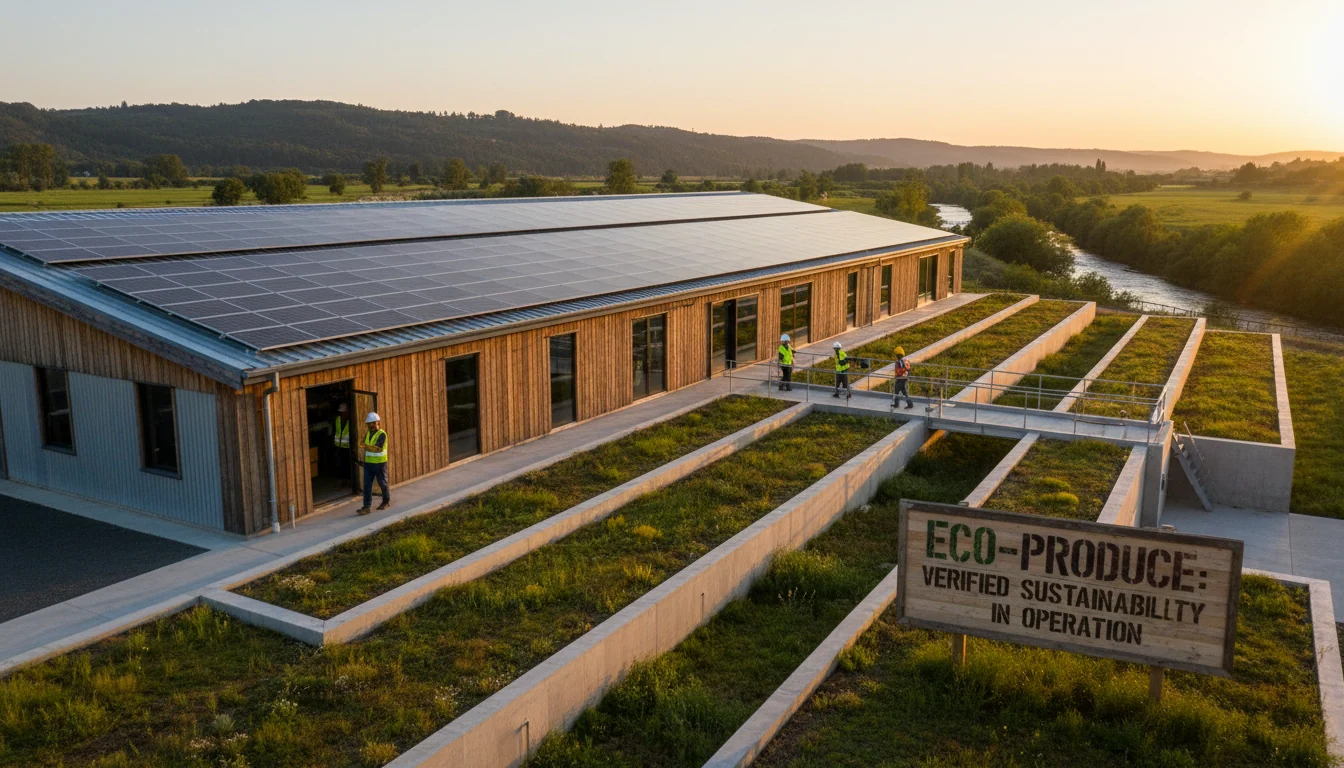
Achieving carbon neutrality has become a priority for many businesses. Companies are investing in renewable energy, like solar and wind, to power their operations. Additionally, they are participating in carbon offset programs that compensate for emissions by supporting environmental projects.
Some businesses are going further by setting targets to become carbon negative, actively removing more carbon from the atmosphere than they emit. This ambitious goal is becoming a key differentiator in competitive markets.
Innovative Technologies
The use of technology is a major trend in enhancing sustainability. From AI-driven energy management systems to blockchain technology ensuring supply chain transparency, tech innovations are helping businesses reduce their environmental impact.
Ethical Supply Chains
Modern consumers are more informed than ever, demanding transparency and ethical practices. Businesses are responding by ensuring their supply chains are not only efficient but also environmentally and socially responsible.
Efforts include sourcing materials responsibly, ensuring fair labor practices, and reducing environmental impact throughout the supply chain. Brands that commit to these practices often experience increased customer loyalty.
Community Engagement and Social Impact
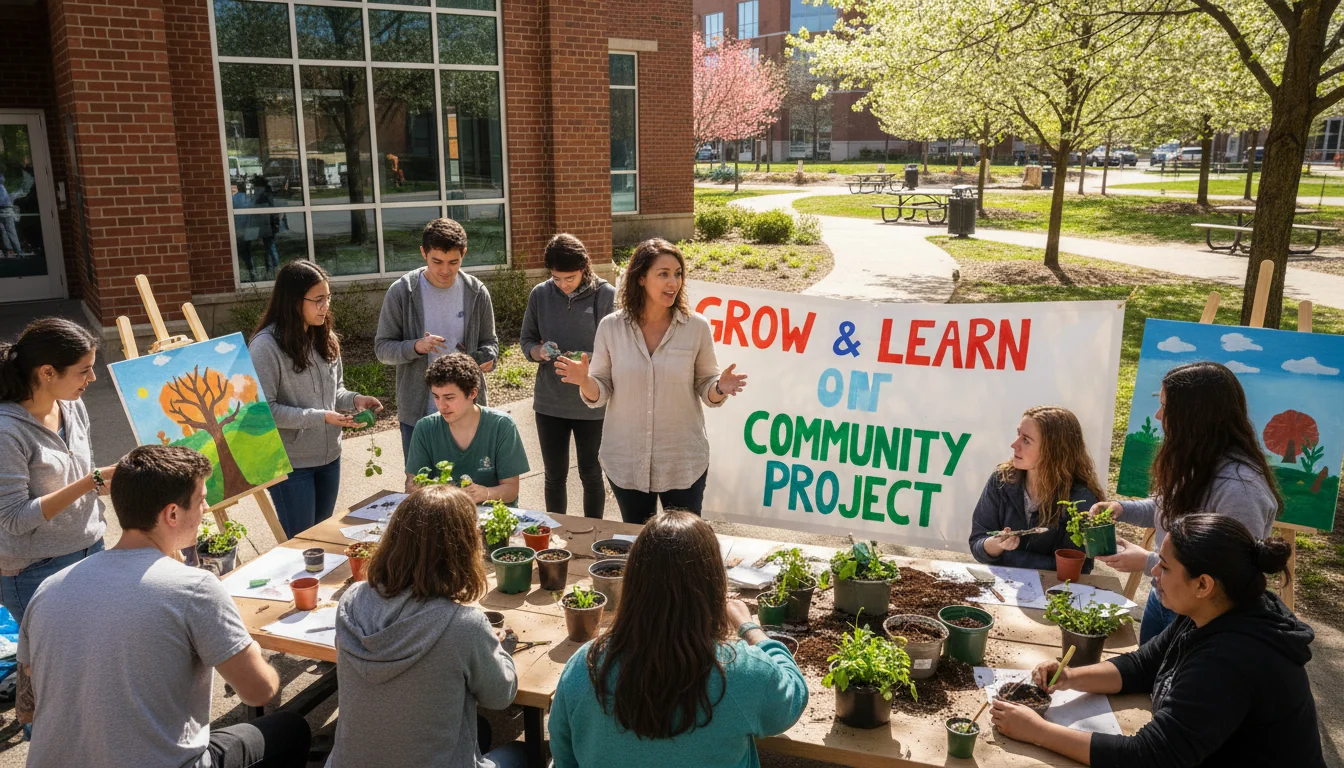
Businesses are recognizing the importance of engaging with their communities and investing in social impact initiatives. This includes supporting local projects, contributing to social causes, and ensuring that business activities positively affect the communities in which they operate.
Green Certifications and Standards
Achieving green certifications has become a key aspect of sustainable business practices. Certifications such as LEED (Leadership in Energy and Environmental Design) and B Corp status provide companies with credibility and recognition for their sustainability efforts.
These certifications help businesses establish trust with consumers and stakeholders by demonstrating a commitment to maintaining high environmental and social standards.
- Reduction of waste and emissions
- Efficient resource usage
- Enhanced brand reputation
Conclusion
The latest trends in sustainable business practices highlight a growing commitment to environmental stewardship and social responsibility. By embracing these trends, companies not only contribute positively to the planet but also build stronger, more resilient brands.
Part of the EcoGuardian journal. This article retains its original publication context; references to grants, regulations, research, and services may have changed since publication.