
Embracing Circular Economy
The concept of the circular economy is gaining traction among businesses aiming to reduce waste and utilize resources more efficiently. Unlike the traditional linear model, which follows a "take, make, dispose" approach, the circular economy focuses on sustainability by keeping products and materials in use for as long as possible.
Companies are now designing products with recycling and repurposing in mind, ensuring that materials can be easily disassembled and reused. This not only minimizes waste but also opens up new revenue streams through innovative recycling processes.

Green Energy Adoption
The shift towards renewable energy sources is a major trend in sustainable business practices. Many companies are investing in solar, wind, and other green energy solutions to power their operations. This not only reduces their carbon footprint but also enhances their brand image among environmentally conscious consumers.
Additionally, businesses are exploring partnerships with energy providers to secure sustainable energy solutions that align with their long-term goals. This collaborative approach is proving to be an effective way to achieve sustainability objectives.
Sustainable Supply Chains
Creating sustainable supply chains is becoming a priority for businesses looking to improve their environmental impact. By working closely with suppliers, companies can ensure that materials are sourced responsibly and that production processes are as green as possible.

Transparency is key, and many businesses are adopting blockchain technology to track and verify the sustainability credentials of their supply chains. This not only builds trust with consumers but also enhances operational efficiency.
Innovations in Waste Management
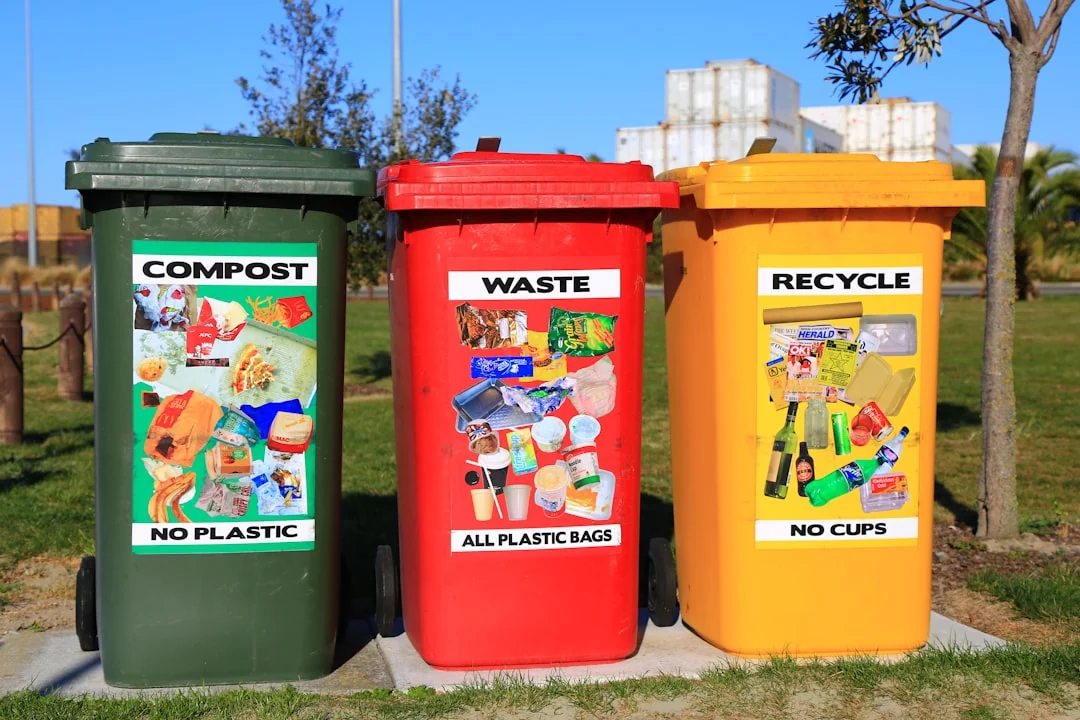
Waste management has seen significant innovations, with businesses developing new methods to reduce, reuse, and recycle waste. Companies are implementing zero-waste policies and investing in technologies that convert waste into energy or other valuable resources.
For instance, some businesses are using anaerobic digestion to transform organic waste into biogas, which can then be used as a renewable energy source. These innovations not only help the environment but also reduce operational costs.
Employee Engagement in Sustainability
Engaging employees in sustainability initiatives is crucial for fostering a culture of environmental responsibility. Businesses are increasingly offering training programs and incentives to encourage staff to participate in green practices both at work and at home.
This approach not only boosts employee morale but also leads to more innovative ideas and solutions for improving sustainability across the organization.
Eco-friendly Product Design
As consumer demand for sustainable products grows, businesses are focusing on eco-friendly product design. This involves using sustainable materials, reducing packaging, and creating products that are easy to recycle or biodegrade.
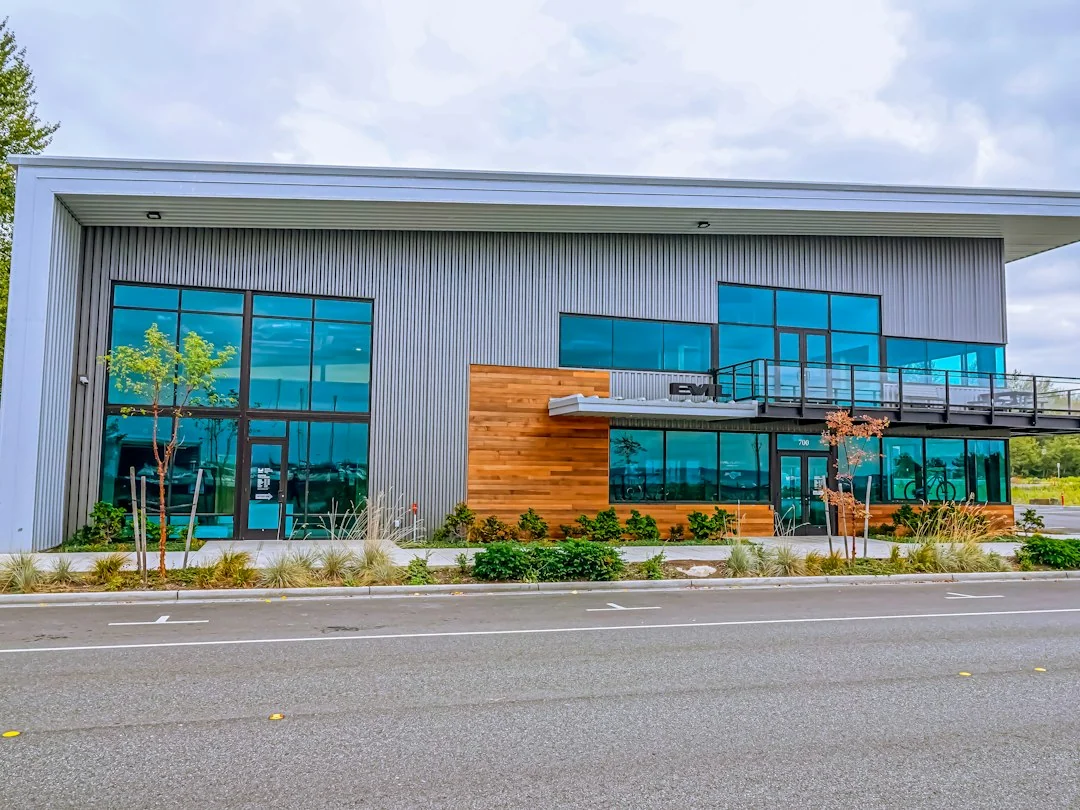
By prioritizing sustainability in product design, companies can meet consumer expectations while also reducing their environmental impact. This trend is likely to continue as more businesses recognize the value of aligning their products with sustainable values.
Part of the EcoGuardian journal. This article retains its original publication context; references to grants, regulations, research, and services may have changed since publication.