
Understanding the Importance of Sustainability
Implementing sustainable practices is crucial for the well-being of our environment and future generations. In Walton County, there is a growing movement towards adopting eco-friendly habits that benefit both the community and the planet. By focusing on sustainability, we can reduce waste, conserve resources, and promote a healthier lifestyle.

Assessing Current Practices
Before making changes, it's important to assess current practices. Identify areas where improvements can be made by evaluating energy consumption, waste production, and water usage. This initial assessment helps in setting realistic goals and tracking progress over time.
Conducting a Waste Audit
A waste audit provides insights into the types and quantities of waste generated. By analyzing this data, you can identify opportunities for recycling, composting, and reducing waste at the source. This step is essential for creating a more sustainable environment in Walton County.
Setting Clear and Achievable Goals
Once you've assessed your current practices, the next step is to set clear and achievable goals. These goals should be specific, measurable, attainable, relevant, and time-bound (SMART). This approach ensures that efforts are focused and effective.
Examples of Sustainable Goals
Consider setting goals such as reducing energy consumption by 20% within a year, increasing recycling rates by 30%, or implementing a community garden to promote local food production. Each goal contributes to a more sustainable Walton County.
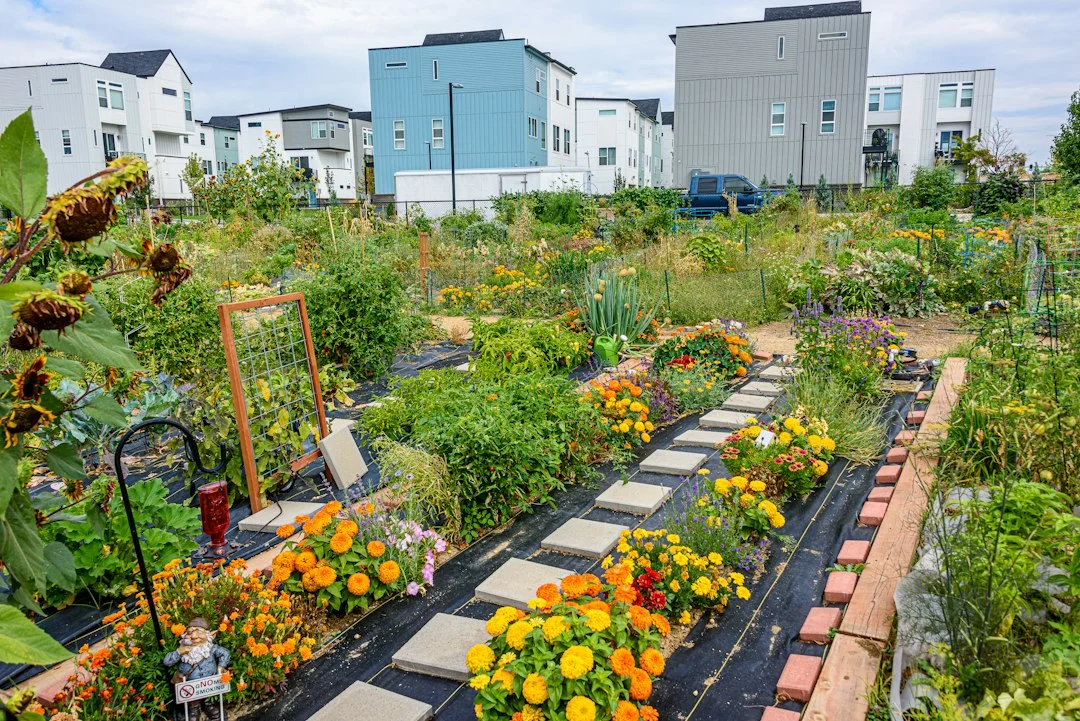
Implementing Sustainable Practices
After setting goals, it's time to implement sustainable practices. Start with small changes that can make a big impact. Encourage community members to use reusable bags, reduce single-use plastics, and support local businesses that prioritize sustainability.
Energy Efficiency
Investing in energy-efficient appliances and lighting can significantly reduce energy consumption. Encourage the use of renewable energy sources such as solar panels. These practices not only save money but also reduce the carbon footprint.

Engaging the Community
Community involvement is key to successful sustainability efforts. Organize workshops, events, and educational programs to raise awareness and encourage participation. Collaboration with local organizations and schools can amplify the impact of these initiatives.
Creating a Green Team
Forming a green team made up of passionate community members can drive the sustainability agenda forward. This team can lead projects, provide support, and inspire others to join the movement towards a greener Walton County.
Monitoring Progress and Celebrating Success
Regularly monitor progress to ensure that goals are being met. Use metrics to track improvements in energy efficiency, waste reduction, and community engagement. Celebrating successes, no matter how small, helps maintain momentum and encourages continued efforts.
Sharing Success Stories
Sharing success stories within the community serves as an inspiration for others. Highlighting achievements can motivate more individuals and businesses to adopt sustainable practices, fostering a culture of environmental responsibility in Walton County.
Part of the EcoGuardian journal. This article retains its original publication context; references to grants, regulations, research, and services may have changed since publication.