Understanding Florida's Unique Ecosystem
Florida is home to a diverse range of ecosystems, from the Everglades to the coral reefs of the Keys. This unique environment requires tailored conservation efforts to protect its rich biodiversity. Implementing effective conservation measures is crucial to preserving Florida's natural beauty and ecological health.
Promoting Sustainable Land Use
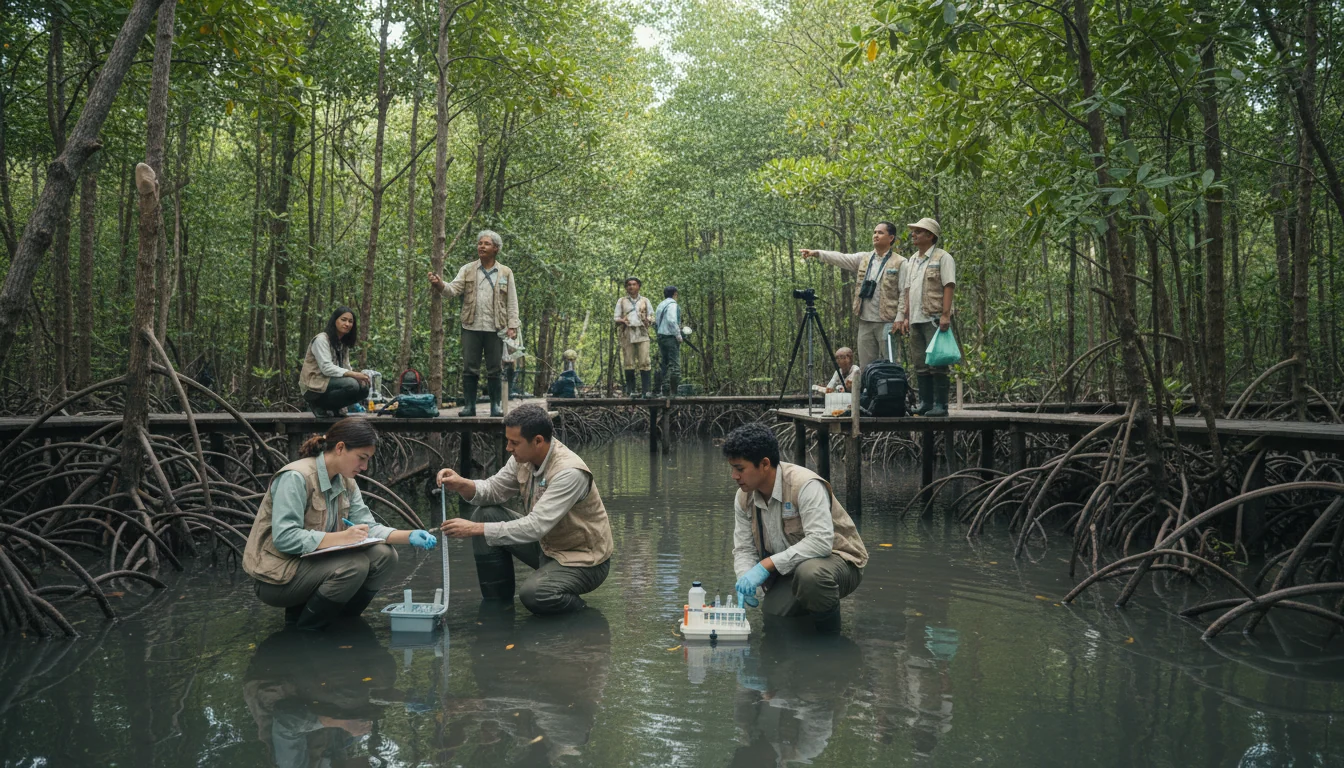
One of the most impactful ways to conserve the environment in Florida is through sustainable land use. Urban development should incorporate green spaces and prioritize the preservation of existing natural habitats. Zoning laws can be adjusted to encourage the protection of wetlands and forests.
Encouraging Native Plant Landscaping
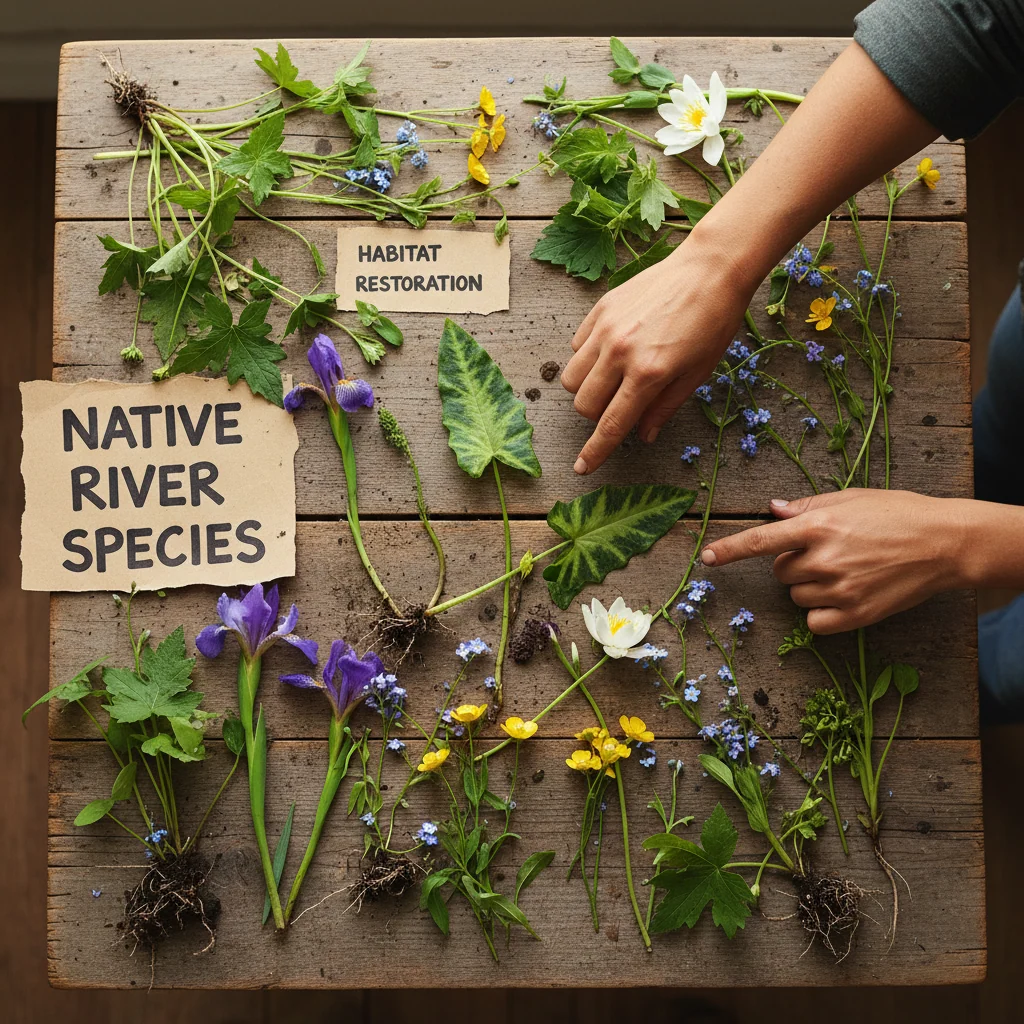
Using native plants in landscaping is a practical conservation measure. Native plants require less water and maintenance, reducing the strain on local water resources. They also provide habitats for local wildlife, promoting biodiversity.
Water Conservation Techniques
Water is a vital resource in Florida, making water conservation a top priority. Implementing techniques such as rainwater harvesting, using efficient irrigation systems, and promoting responsible water use in households can significantly reduce water wastage.
Protecting Aquatic Ecosystems
Florida's lakes, rivers, and coastal waters need protection from pollution. Simple measures like reducing the use of fertilizers and pesticides can prevent harmful runoff. Additionally, supporting legislation that protects water quality is essential.

Wildlife Conservation Efforts
Protecting Florida's wildlife involves both habitat conservation and addressing threats such as pollution and climate change. Establishing wildlife corridors and supporting conservation programs can help maintain healthy animal populations.
Community Involvement in Conservation
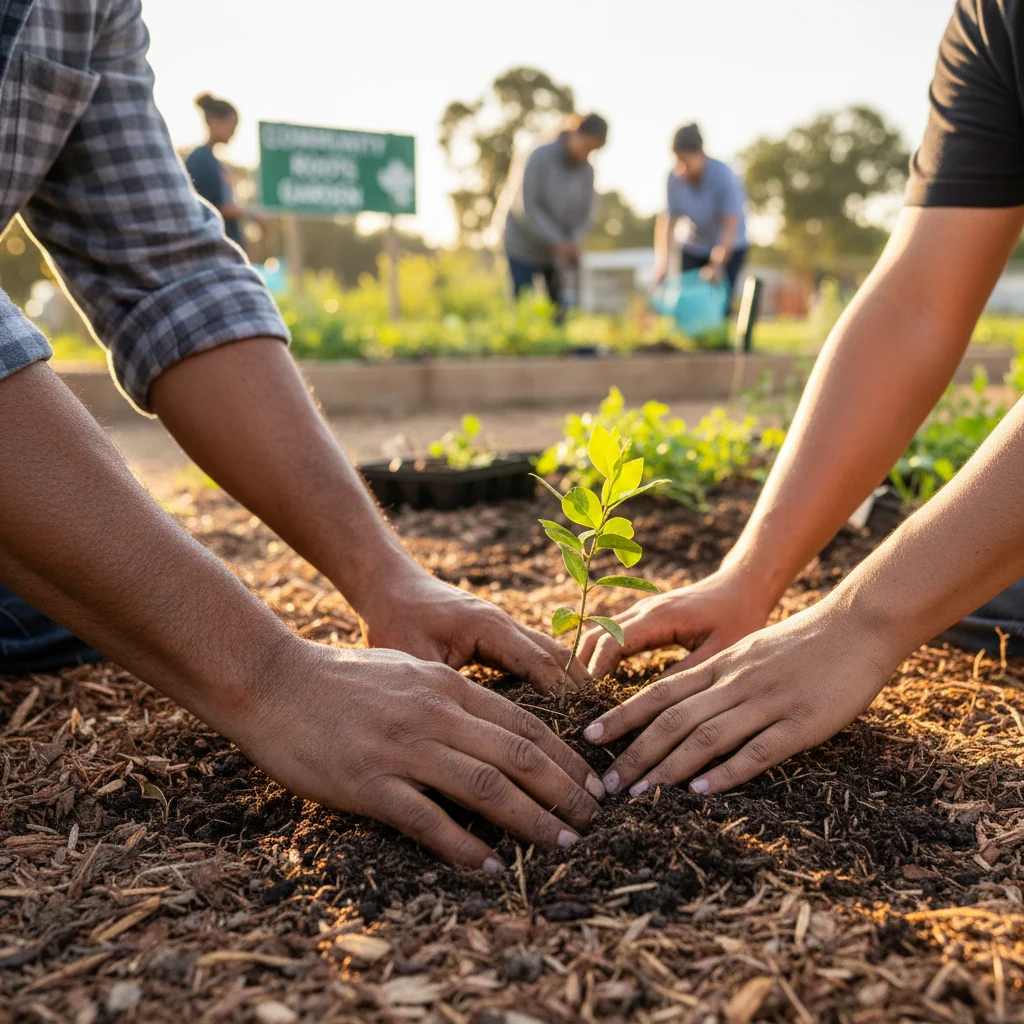
Community engagement is crucial for successful conservation efforts. Participating in local clean-up events, supporting conservation organizations, and educating others about environmental issues can make a significant impact.
Leveraging Technology for Conservation
Innovative technologies can enhance conservation efforts in Florida. Utilizing drones for monitoring wildlife, employing AI for data analysis, and implementing smart agriculture practices are examples of how technology can contribute to environmental preservation.
Supporting Renewable Energy Initiatives
Transitioning to renewable energy sources is another critical step. Solar and wind energy can reduce reliance on fossil fuels, helping to mitigate climate change impacts. Encouraging investment in renewable energy infrastructure will support a sustainable future for Florida.

By implementing these conservation measures, Florida can safeguard its unique environment for future generations. Collaboration between individuals, communities, and governments is essential to ensure the success of these initiatives.
Part of the EcoGuardian journal. This article retains its original publication context; references to grants, regulations, research, and services may have changed since publication.