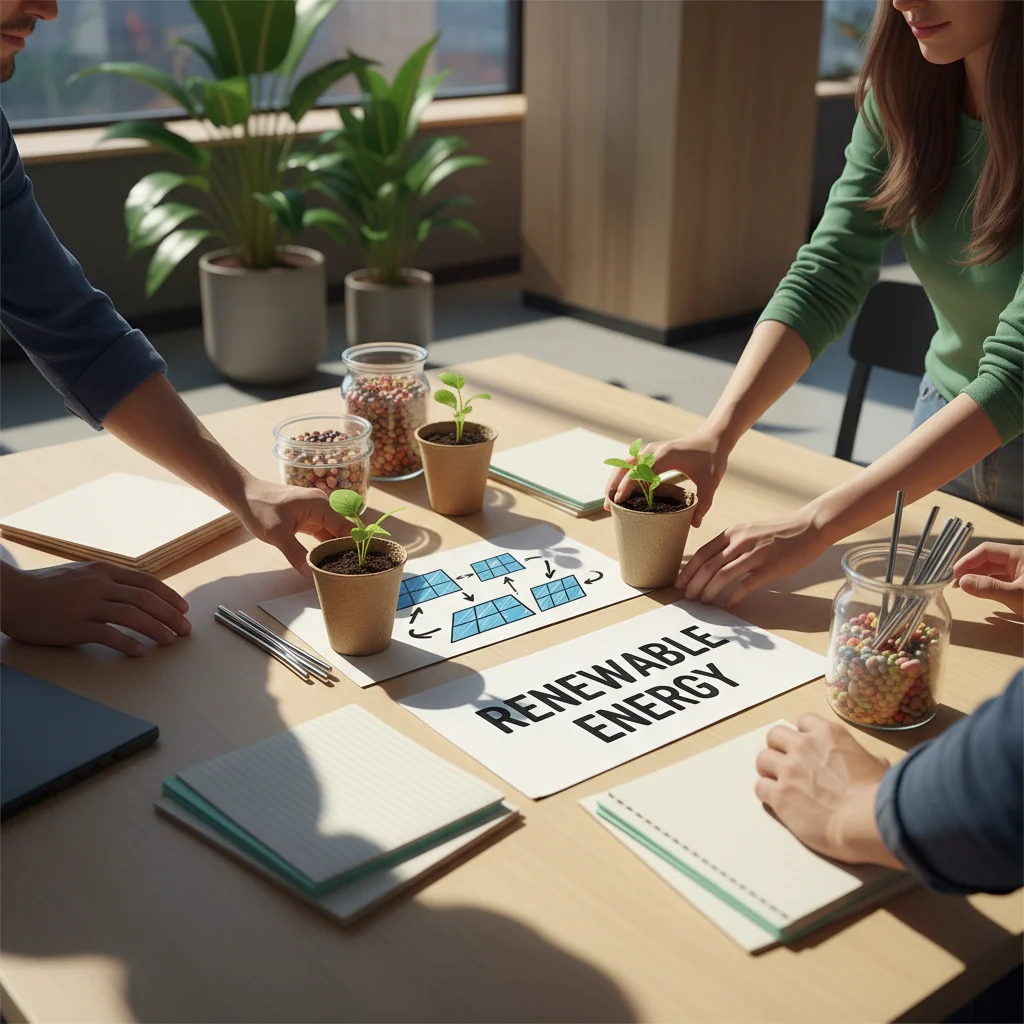
As the world pivots towards sustainability, the integration of eco-friendly technologies has become crucial for businesses and individuals alike. Implementing these technologies not only helps in reducing carbon footprints but also contributes to a healthier environment. This step-by-step guide will walk you through the process of adopting eco-friendly technologies effectively.
Understanding Eco-Friendly Technologies
Eco-friendly technologies are innovations designed to have minimal impact on the environment. These technologies aim to reduce waste, increase energy efficiency, and promote sustainable practices. Understanding the various types of eco-friendly technologies available is the first step in making informed decisions.

Types of Eco-Friendly Technologies
There are several types of eco-friendly technologies, including:
- Solar Power: Harnessing energy from the sun to generate electricity.
- Wind Energy: Using wind turbines to convert wind power into electricity.
- Energy-efficient Appliances: Devices designed to use less electricity and water.
- Electric Vehicles: Cars and trucks powered by electricity instead of fossil fuels.
Assessing Your Needs
Before implementing any eco-friendly technology, it's vital to assess your specific needs. Consider factors such as budget, location, and energy requirements. For instance, solar panels may be more suitable for areas with abundant sunlight, while wind turbines might be ideal for windy regions.

Conducting an Energy Audit
An energy audit helps identify areas where you can improve energy efficiency. This process involves evaluating current energy consumption and pinpointing inefficiencies. By doing so, you can make informed decisions on which technologies will offer the most significant benefits.
Implementing Eco-Friendly Technologies
Once you've assessed your needs and conducted an energy audit, it's time to implement the chosen technologies. This process involves several steps:
- Research and Select: Choose technologies that best suit your needs and budget.
- Plan and Design: Work with professionals to create an implementation plan.
- Installation: Hire certified installers to ensure proper setup and safety.
- Monitoring and Maintenance: Regularly monitor the performance and maintain the systems to ensure efficiency.

Overcoming Challenges
Implementing eco-friendly technologies can present challenges such as high initial costs and finding skilled professionals. However, government incentives and rebates can help offset costs, making these technologies more accessible. Additionally, investing in training and education can build the necessary expertise within your team.
Staying Updated
The field of eco-friendly technology is constantly evolving. Staying updated with the latest advancements can help you make the most of new opportunities. Subscribing to industry publications and participating in related seminars and workshops can keep you informed and ahead of the curve.
By following this guide, you can successfully integrate eco-friendly technologies into your lifestyle or business, contributing to a more sustainable future. Embrace these changes today and be a part of the global movement towards environmental responsibility.
Part of the EcoGuardian journal. This article retains its original publication context; references to grants, regulations, research, and services may have changed since publication.