Debunking Myths About Environmental Conservation in Florida


Understanding the Myths Surrounding Environmental Conservation in Florida
Environmental conservation in Florida is often clouded with misconceptions that can hinder effective action and progress. It’s essential to address these myths to promote a more accurate understanding of conservation efforts in the state. Let's explore some of the common myths and the truths behind them.
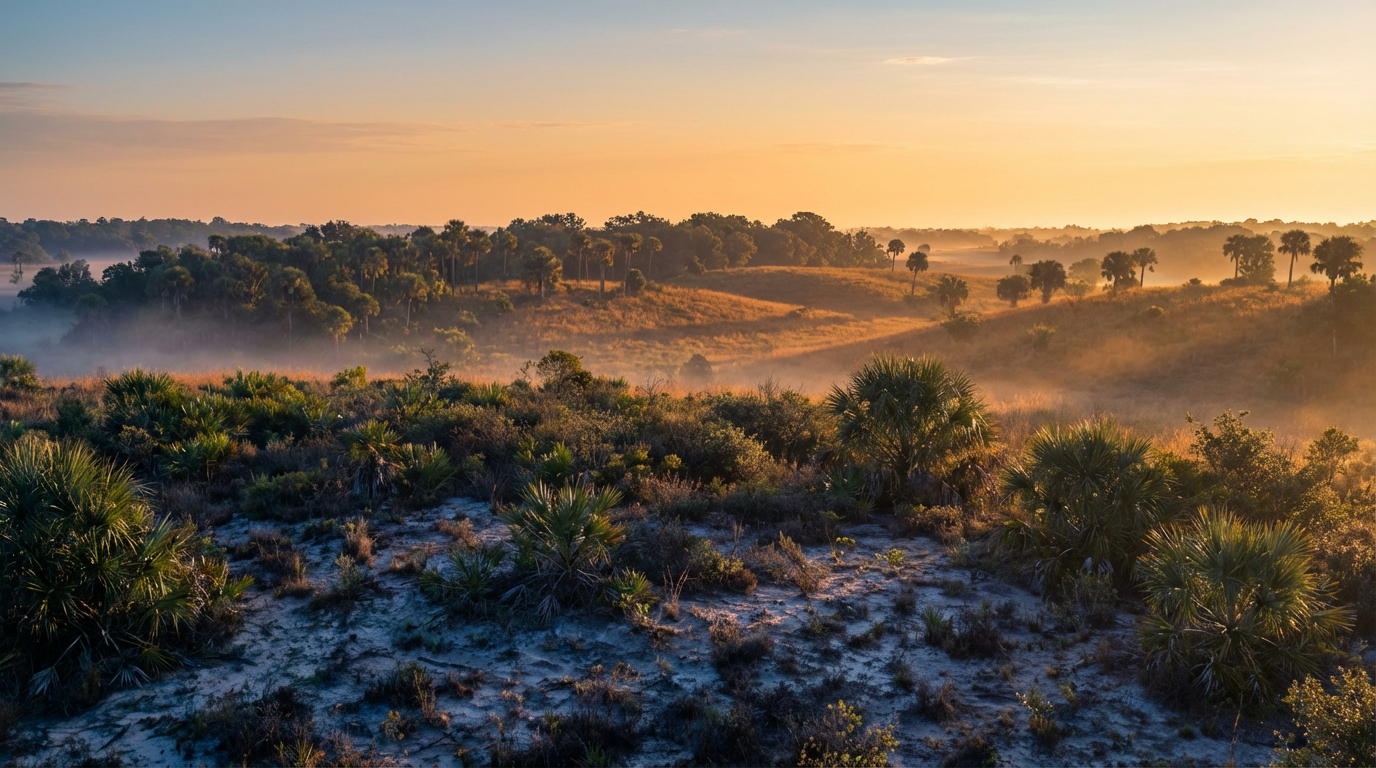
Myth 1: Florida’s Ecosystems Are Resilient Enough to Recover Without Help
One prevalent myth is that Florida's ecosystems can naturally recover from any damage without human intervention. While it is true that nature has a remarkable ability to heal, the scale and speed of human-induced damage often exceed the natural recovery capacity. Human intervention is crucial to restore and protect delicate ecosystems like the Everglades and coral reefs.
Conservation efforts such as reforestation, invasive species management, and pollution control are vital to assist these ecosystems in recovering and thriving. Without these efforts, the long-term health and sustainability of Florida’s natural landscapes are at risk.
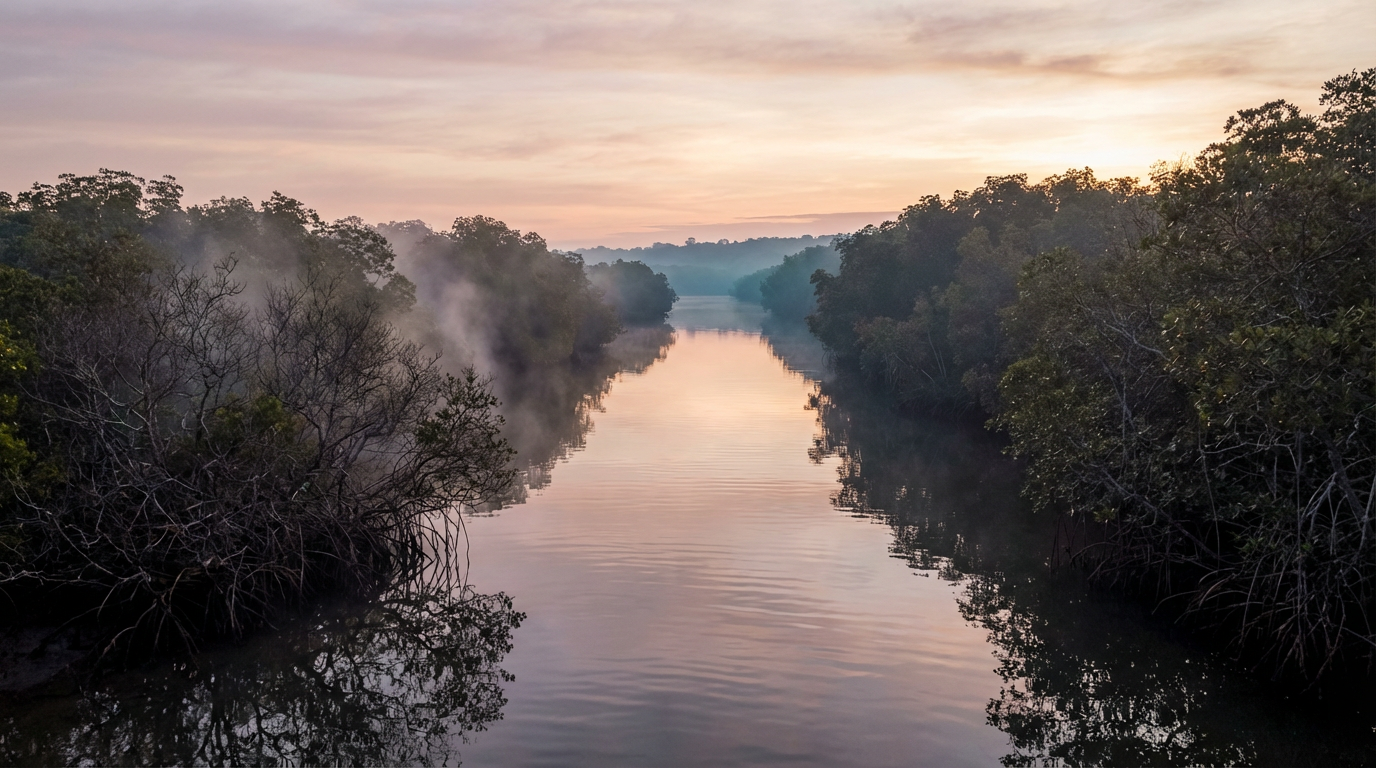
Myth 2: Conservation Efforts Do Not Impact the Economy
Another common misconception is that investing in environmental conservation does not benefit the economy. In reality, conservation efforts can have a positive economic impact. Florida’s rich biodiversity and natural beauty drive tourism and create jobs in eco-tourism and outdoor recreation industries.
Moreover, healthy ecosystems provide essential services such as clean water, air, and fertile soil, which are foundational to agriculture and other industries. Therefore, investing in conservation is not just about protecting nature but also about preserving economic stability and growth.

Myth 3: Conservation Is Only About Protecting Animals
While wildlife protection is a significant aspect of conservation, it is not the only focus. Environmental conservation in Florida encompasses a wide range of activities, including habitat preservation, water quality improvement, and climate change mitigation.
Efforts to maintain healthy wetlands, forests, and coastlines are crucial for protecting biodiversity and ensuring the survival of numerous species, including humans. These efforts also help protect against natural disasters, such as hurricanes and floods, by maintaining natural barriers and buffers.

Myth 4: Individual Actions Do Not Make a Difference
Many people believe that individual actions are insignificant in the grand scheme of conservation. However, every small action counts. Simple steps like reducing water usage, recycling, and supporting sustainable businesses contribute to larger conservation goals.
Community involvement and grassroots initiatives have been instrumental in successful conservation projects across Florida. By participating in local clean-up events, tree planting, or educational programs, individuals can significantly impact their communities and the environment.
In conclusion, debunking these myths is essential for fostering a more informed and engaged public. By understanding the true nature of conservation efforts, Floridians can contribute more effectively to protecting and preserving their state's unique and valuable ecosystems.