Understanding Florida's Unique Ecosystems
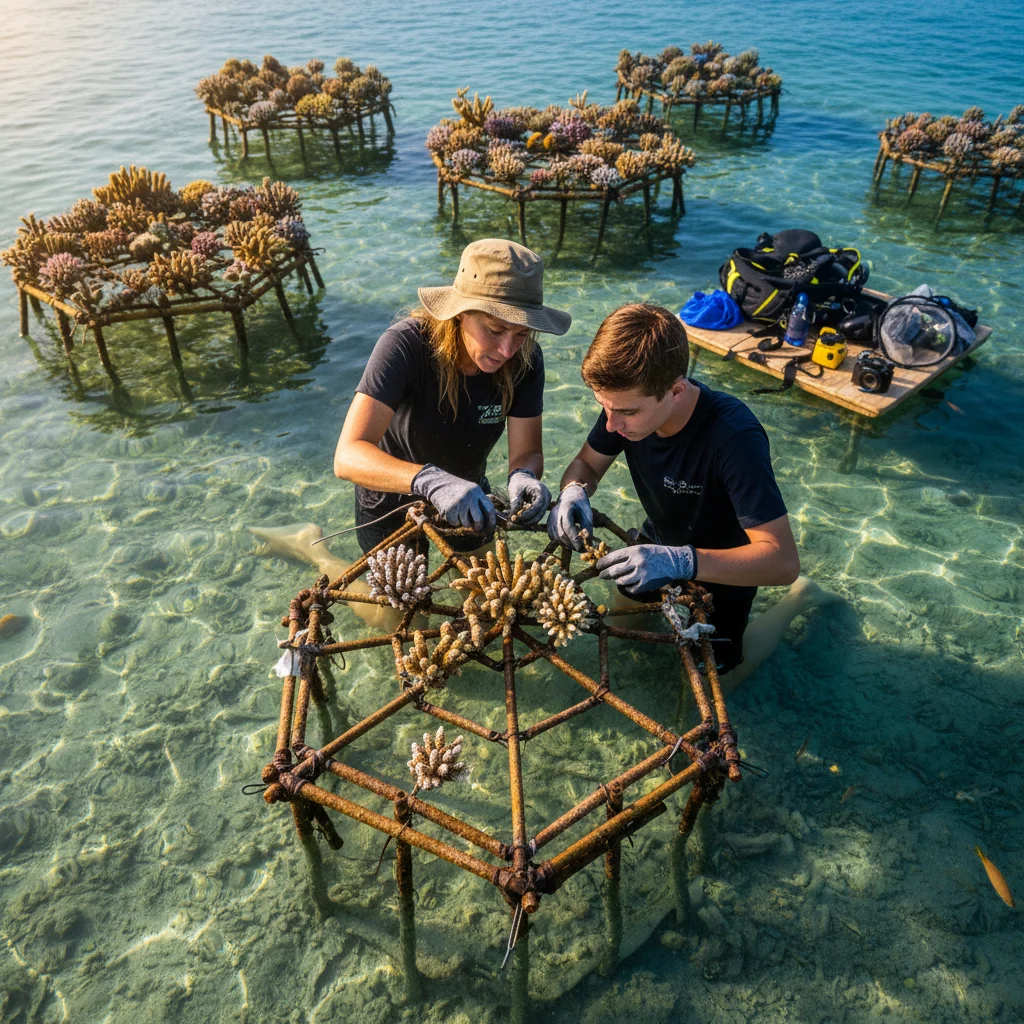
Florida is home to some of the most diverse and unique ecosystems in the United States. From the lush Everglades to the vibrant coral reefs, the state's natural beauty is unparalleled. These ecosystems are not only crucial for wildlife but also for the state's economy and residents. Understanding and protecting these environments is essential for maintaining Florida's ecological balance.
The Importance of Wetlands
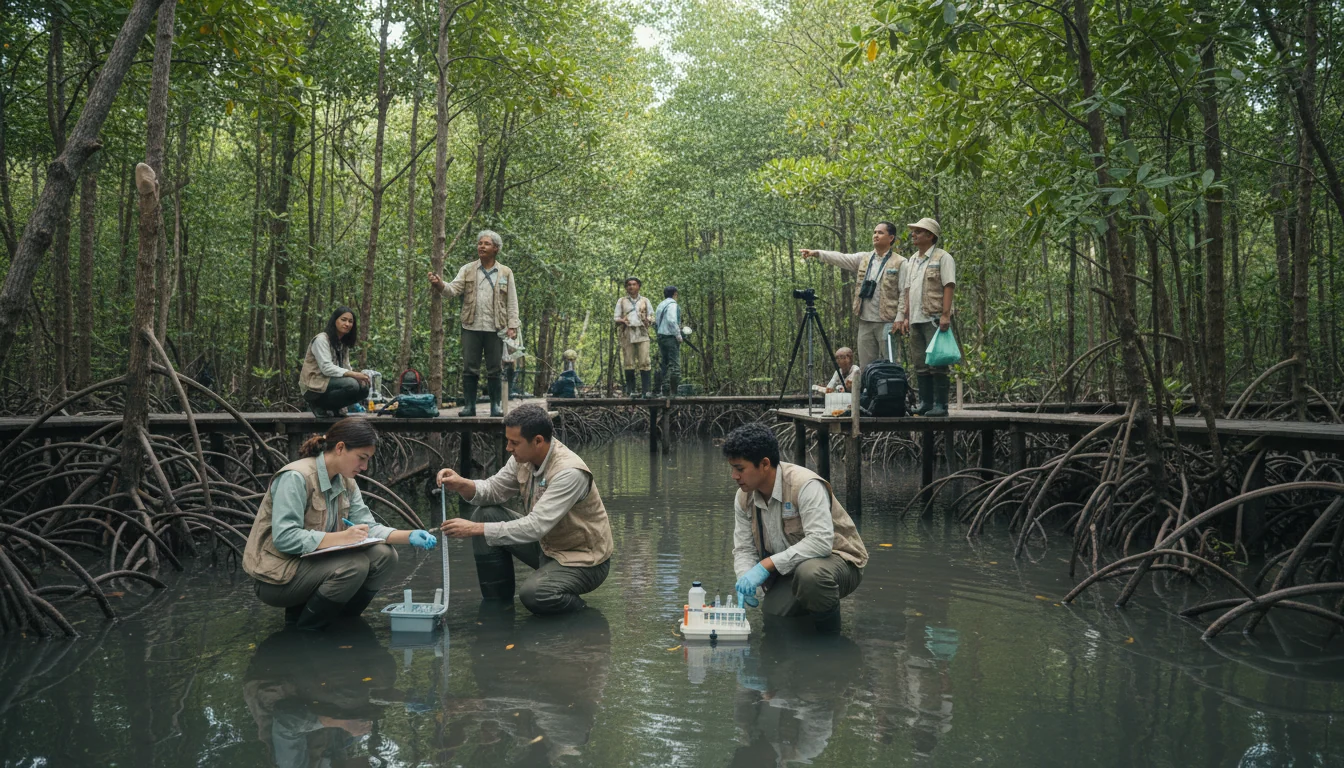
Wetlands cover nearly a third of Florida and serve as a vital resource for both wildlife and humans. They act as natural water filters, help in flood control, and provide a habitat for numerous species. The Everglades, often referred to as the "River of Grass," is one of the most well-known wetlands, playing a crucial role in the state's ecosystem.
Threats to Biodiversity
Despite their importance, Florida's ecosystems face numerous threats. Urban development, pollution, and climate change are major concerns that lead to habitat loss and degradation. Invasive species also pose significant challenges, often outcompeting native species and disrupting the natural balance.
Conservation Efforts and Initiatives
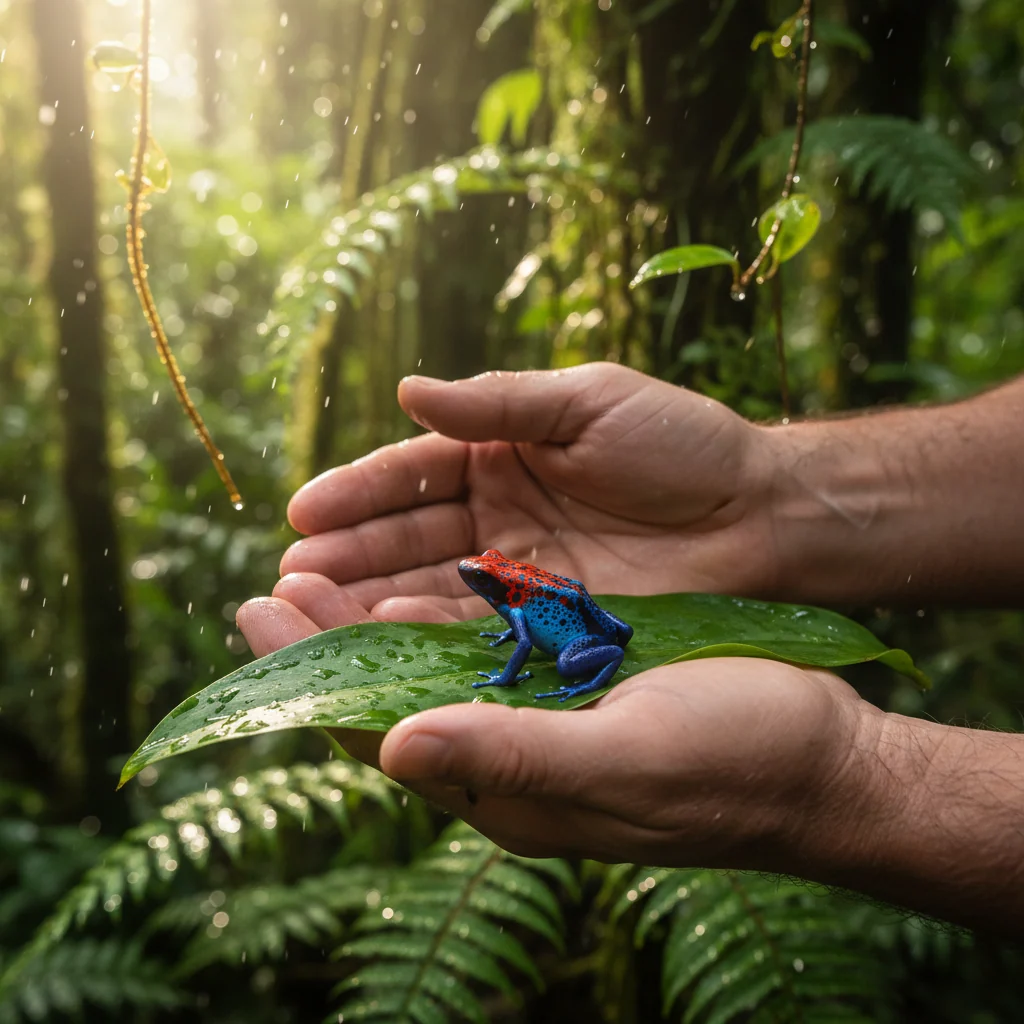
Florida has implemented various conservation efforts to combat these threats. State and federal agencies, along with non-profit organizations, are working tirelessly to preserve the state's natural beauty. Restoration projects in the Everglades, coral reef protection programs, and wildlife conservation initiatives are some of the key efforts underway.
Community Involvement
Community involvement is crucial for successful conservation. Local residents and businesses can contribute by participating in clean-up events, supporting conservation organizations, and adopting sustainable practices. Education and awareness programs also play a significant role in encouraging conservation efforts.
Steps You Can Take to Help
Individual actions can have a significant impact on environmental conservation in Florida. Here are some steps you can take:
- Reduce, reuse, and recycle to minimize waste.
- Support local conservation projects and initiatives.
- Practice sustainable tourism by respecting natural habitats and wildlife.
- Use water responsibly to help protect local water resources.
The Role of Education
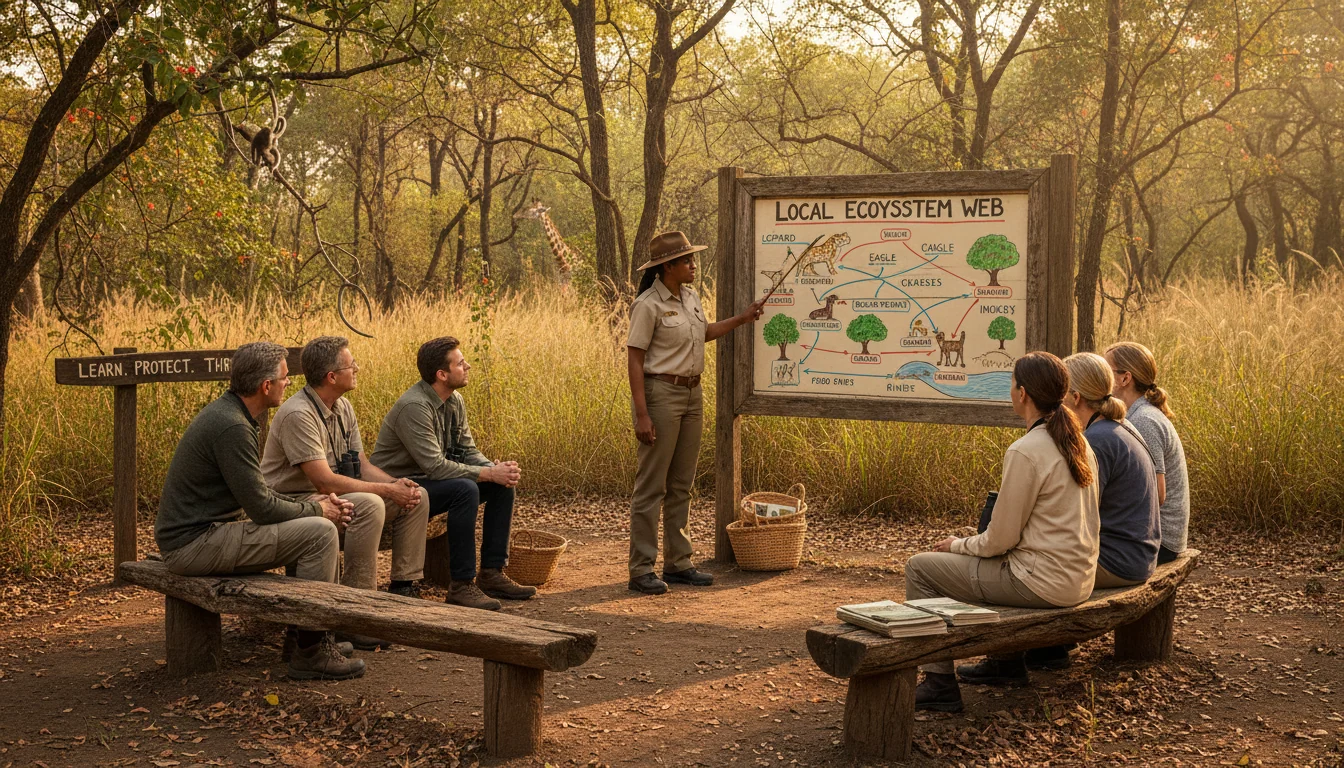
Education is a powerful tool in environmental conservation. By learning about Florida's ecosystems and the challenges they face, individuals can make informed decisions and advocate for sustainable practices. Schools, community organizations, and online resources offer valuable information and opportunities to get involved.
The Future of Florida's Environment
Looking ahead, the future of Florida's environment depends on the collective efforts of governments, organizations, and individuals. By prioritizing conservation and sustainability, we can ensure that Florida's natural beauty and biodiversity are preserved for future generations. The journey to environmental conservation is ongoing, but every effort brings us closer to a more sustainable future.
Part of the EcoGuardian journal. This article retains its original publication context; references to grants, regulations, research, and services may have changed since publication.