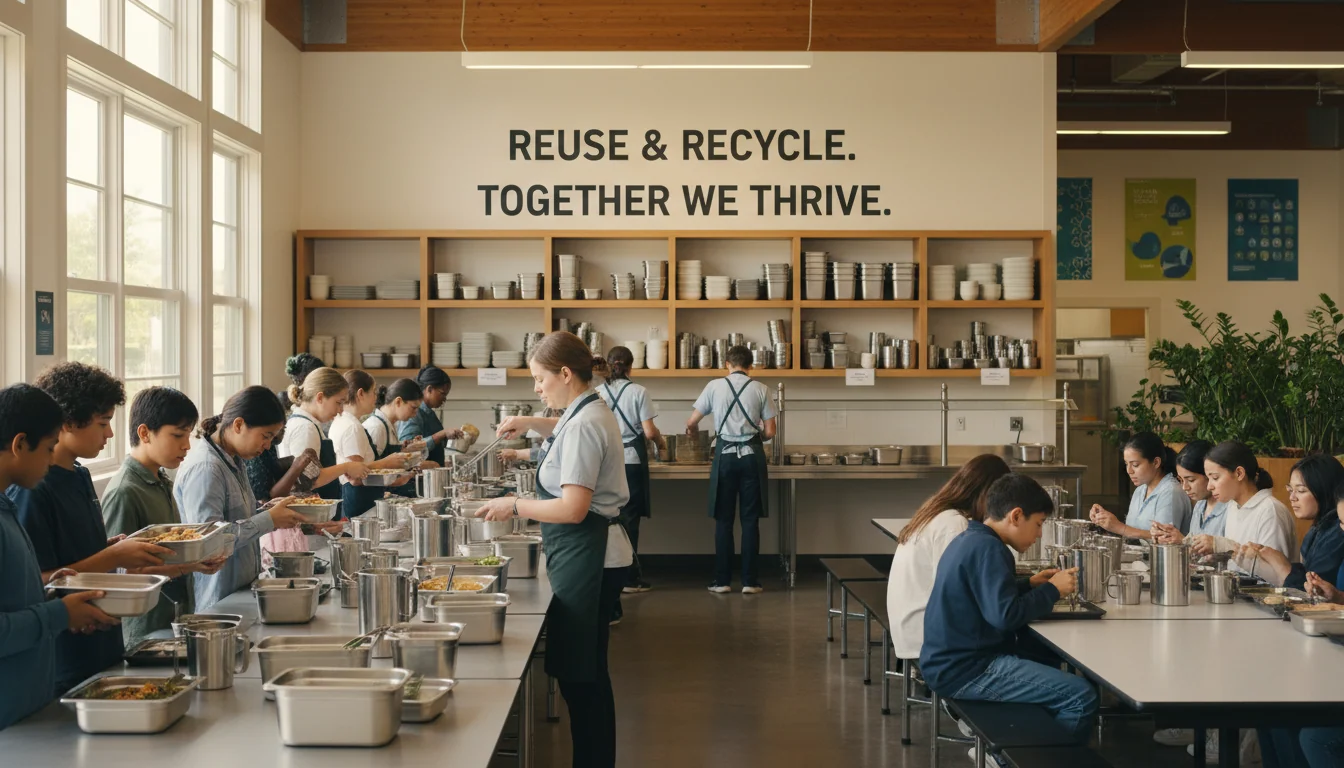
Introduction to Sustainable Initiatives in Walton County
Walton County has emerged as a beacon of sustainability, garnering attention for its innovative and effective environmental initiatives. These programs not only focus on preserving natural resources but also aim to enhance the quality of life for residents. In this blog post, we delve into some of the most successful sustainable initiatives in Walton County.

Community-Led Renewable Energy Projects
One of the standout initiatives in Walton County is the community-led renewable energy projects. These projects have empowered local residents to participate actively in the shift towards renewable energy. By installing solar panels on public buildings and homes, the county has significantly reduced its carbon footprint.
Additionally, the county offers incentives for residents to adopt solar energy, making it more accessible and affordable. This has resulted in a substantial increase in the number of households utilizing solar power, contributing to a cleaner and more sustainable environment.

Waste Reduction and Recycling Programs
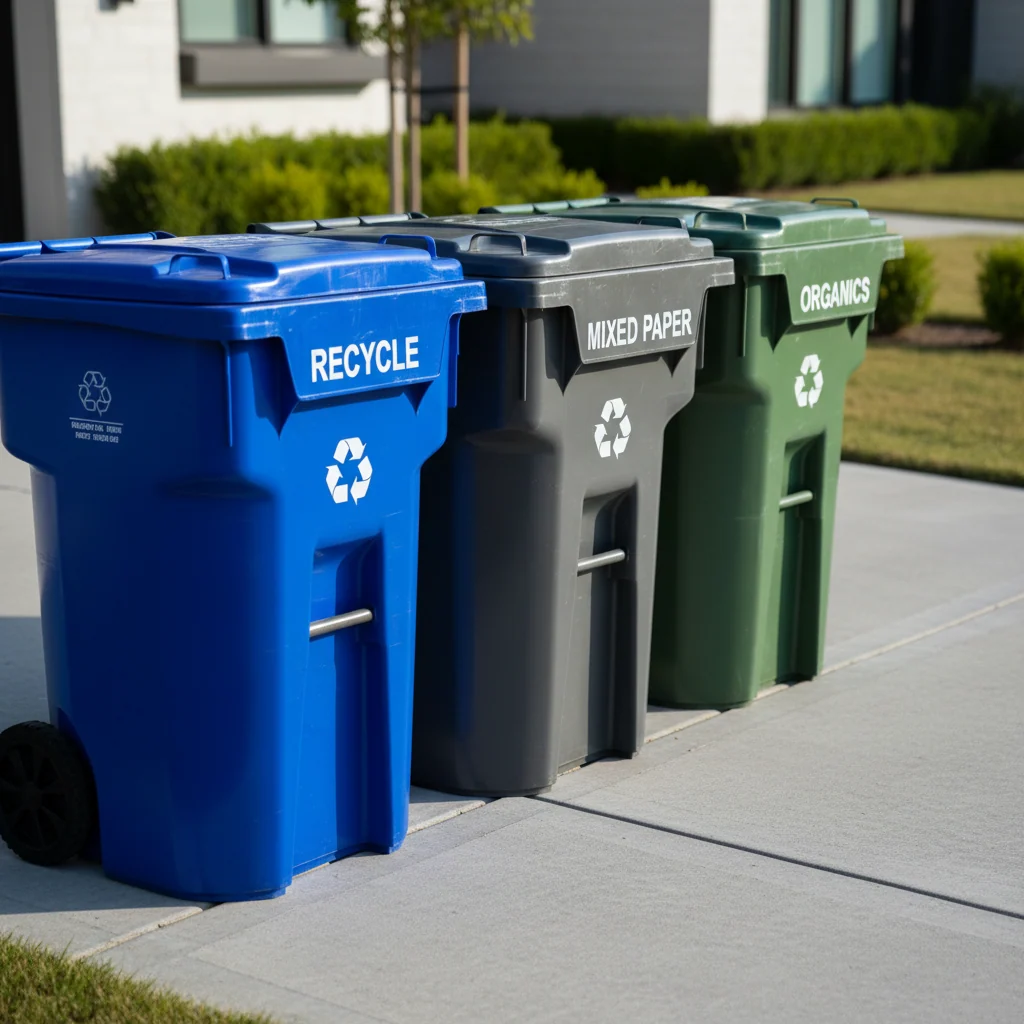
Walton County's waste reduction and recycling programs have set a standard for other regions to follow. The county has implemented a comprehensive recycling system that encourages residents to segregate waste efficiently. Public awareness campaigns have been instrumental in educating the community about the importance of recycling.
Moreover, the county has introduced initiatives like composting workshops and waste-to-energy programs. These efforts have not only decreased landfill waste but also promoted a circular economy, turning waste into valuable resources.
Conservation and Biodiversity Efforts
Another key area of focus in Walton County is the conservation of natural habitats and biodiversity. The county has designated several protected areas to preserve local flora and fauna. Partnerships with environmental organizations have strengthened these conservation efforts, ensuring the sustainability of the region's unique ecosystems.
Educational programs in schools and community centers further reinforce the importance of biodiversity, fostering a sense of stewardship among young residents. This proactive approach has helped maintain the ecological balance in Walton County.

Impact of Sustainable Transportation Initiatives
Transportation is a significant contributor to carbon emissions, and Walton County has taken steps to address this issue through sustainable transportation initiatives. The introduction of electric buses and the expansion of biking trails have provided residents with eco-friendly commuting options.
These initiatives not only reduce emissions but also promote a healthier lifestyle. The county has seen increased use of public transportation and a rise in biking enthusiasts, reflecting a shift towards more sustainable travel habits.

Conclusion: A Model for Sustainability
Walton County's successful sustainable initiatives serve as a model for other regions aspiring to achieve environmental sustainability. Through community involvement, innovative projects, and educational programs, the county has made significant strides in preserving its natural resources and enhancing residents' quality of life.
As Walton County continues to lead by example, it inspires other communities to adopt similar practices, paving the way for a more sustainable future.
Part of the EcoGuardian journal. This article retains its original publication context; references to grants, regulations, research, and services may have changed since publication.