Case Study: Successful Implementation of Sustainable Practices in Walton County


Introduction to Walton County's Sustainable Journey
Walton County has become a shining example of how local governments can successfully implement sustainable practices. This case study explores the strategies and initiatives that have transformed the county into a model of environmental stewardship.

Initial Challenges and Objectives
Before embarking on this journey, Walton County faced several environmental challenges, including waste management and energy consumption. The primary objectives were to reduce carbon emissions, enhance recycling efforts, and promote renewable energy.
Setting Clear Goals
The county established clear and measurable goals, such as achieving a 30% reduction in carbon emissions within five years. These targets provided a roadmap for implementing effective strategies and measuring progress.
Key Strategies and Initiatives
Walton County adopted a multi-faceted approach to sustainability, focusing on community involvement, policy changes, and technological innovation.

Community Engagement
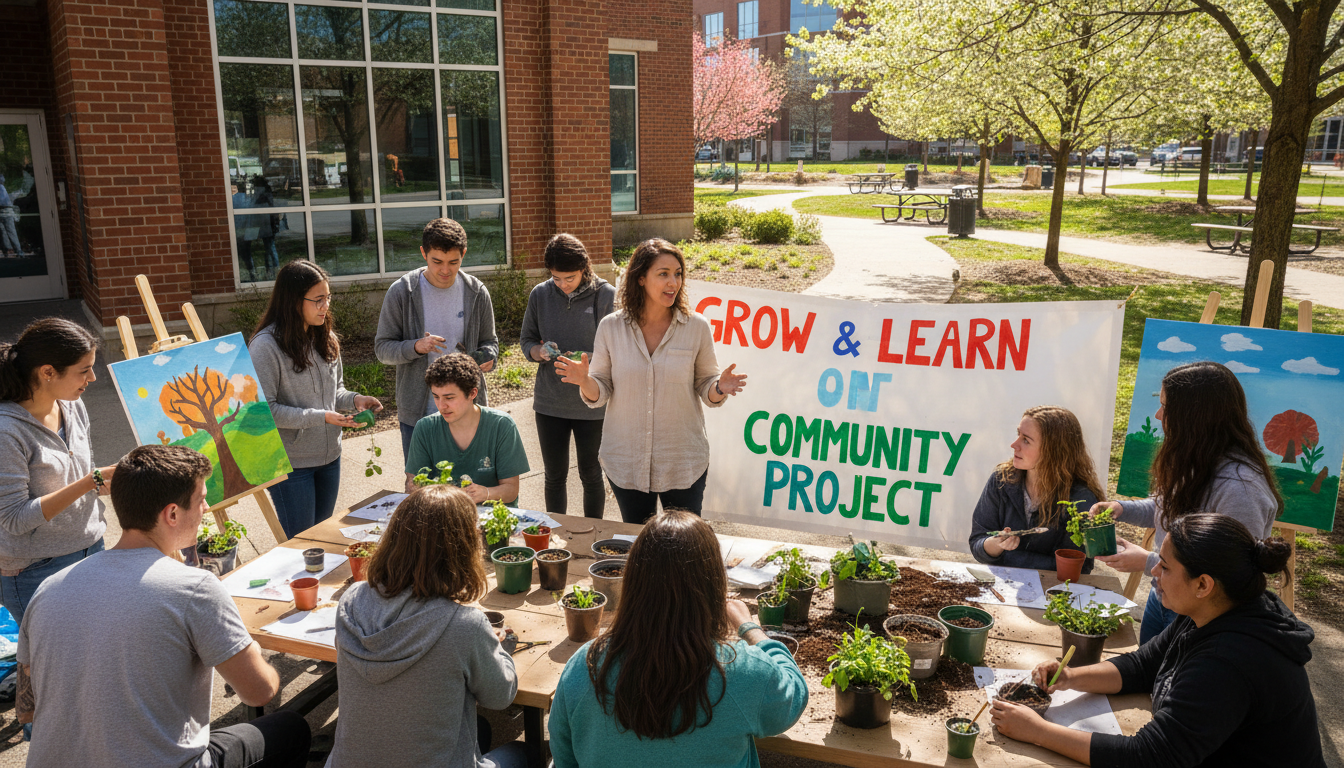
One of the most successful strategies was engaging the local community. The county organized workshops and educational programs to raise awareness about sustainability. Residents were encouraged to participate in local clean-up events and recycling drives.
Policy Implementation
Policy changes played a crucial role in driving sustainable practices. The county introduced incentives for businesses that adopted green practices, such as tax breaks and grants. Regulations were also enforced to ensure compliance with environmental standards.
Technological Innovations
Investing in technology was another significant aspect of Walton County's strategy. The county installed solar panels on public buildings and upgraded its waste management systems to include smart sorting technology.

Renewable Energy Adoption
By investing in renewable energy sources, Walton County reduced its reliance on fossil fuels. Solar and wind energy projects not only lowered carbon emissions but also created jobs for the local economy.
Measuring Success and Impact
The county's efforts have resulted in substantial improvements. Carbon emissions have decreased by 35%, surpassing the initial target. Recycling rates have doubled, and the community's engagement in sustainable practices has significantly increased.
Long-term Benefits
Beyond environmental benefits, these initiatives have fostered a sense of community pride and responsibility. Residents are more conscious of their environmental impact, leading to a more sustainable future for the county.
Conclusion
Walton County's success story serves as an inspiring example for other communities aiming to implement sustainable practices. Through strategic planning, community involvement, and technological innovation, the county has paved the way for a greener, more sustainable future.